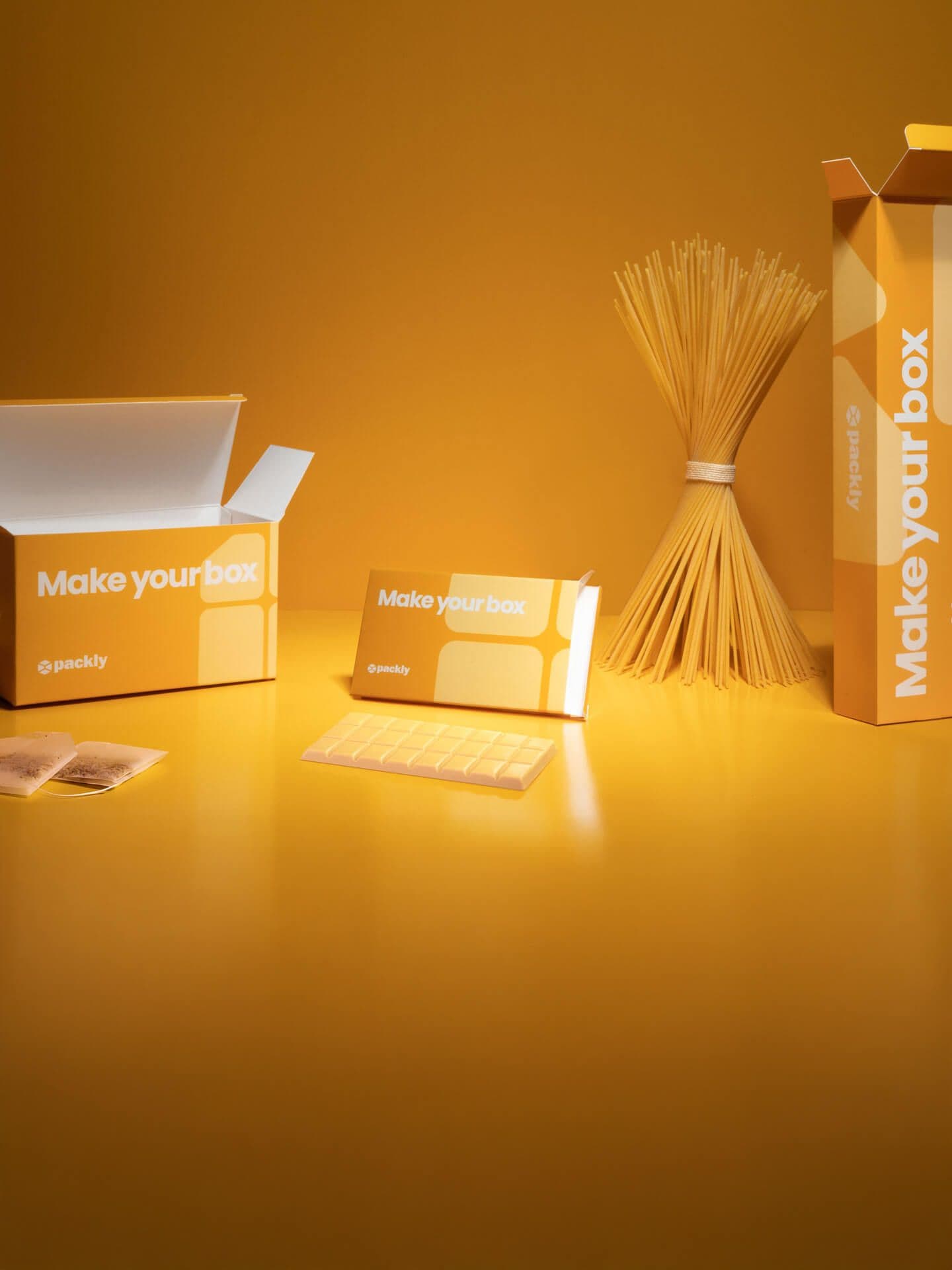
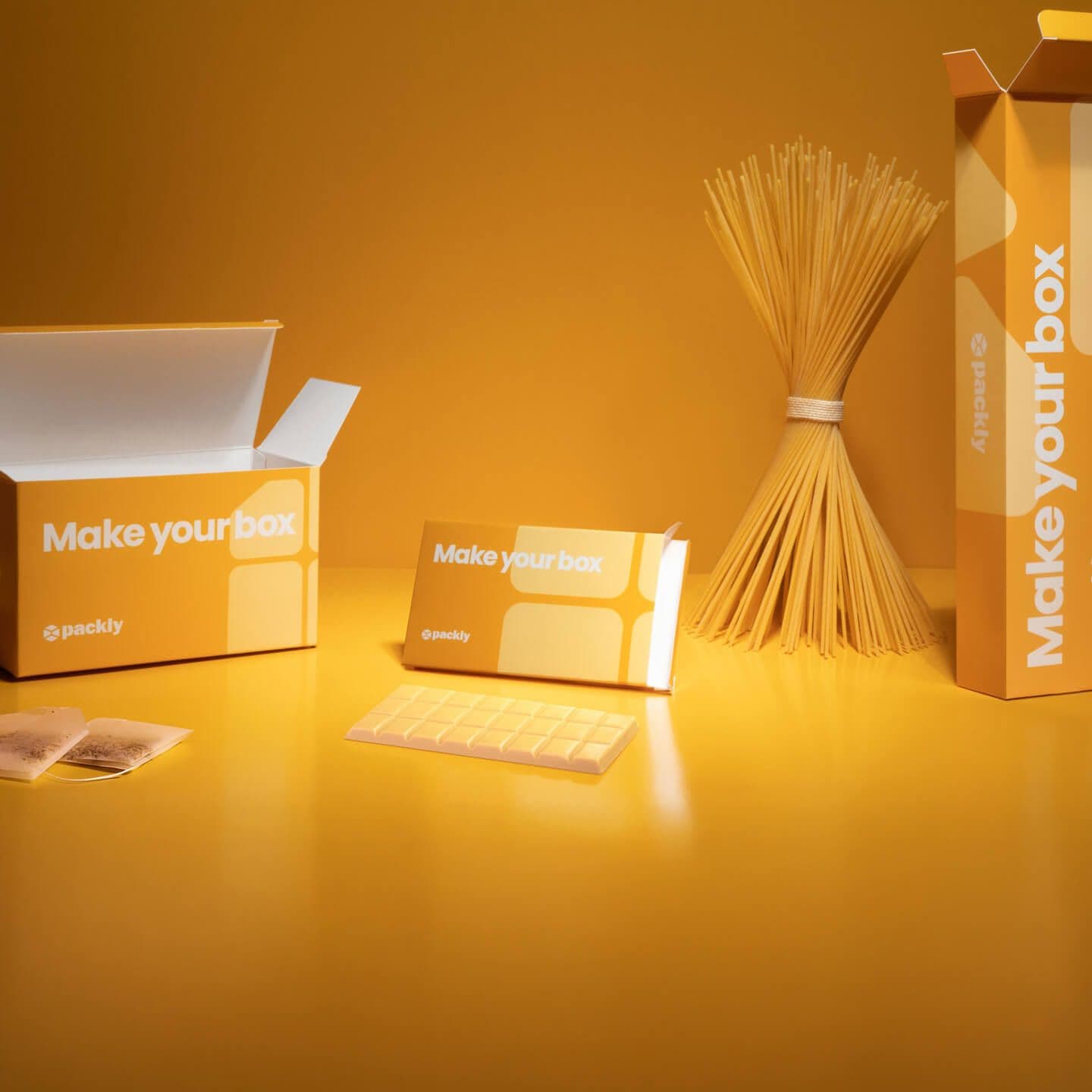
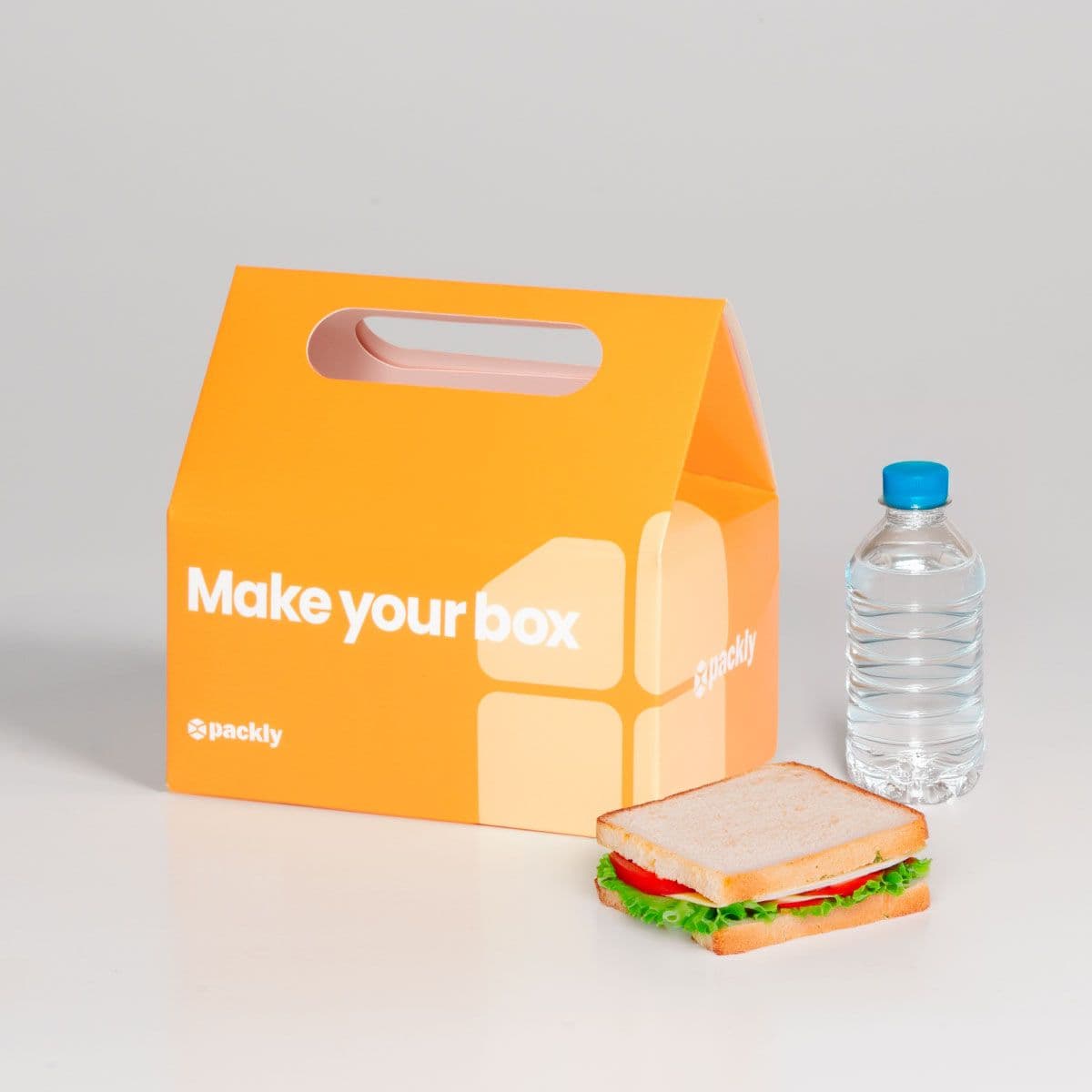
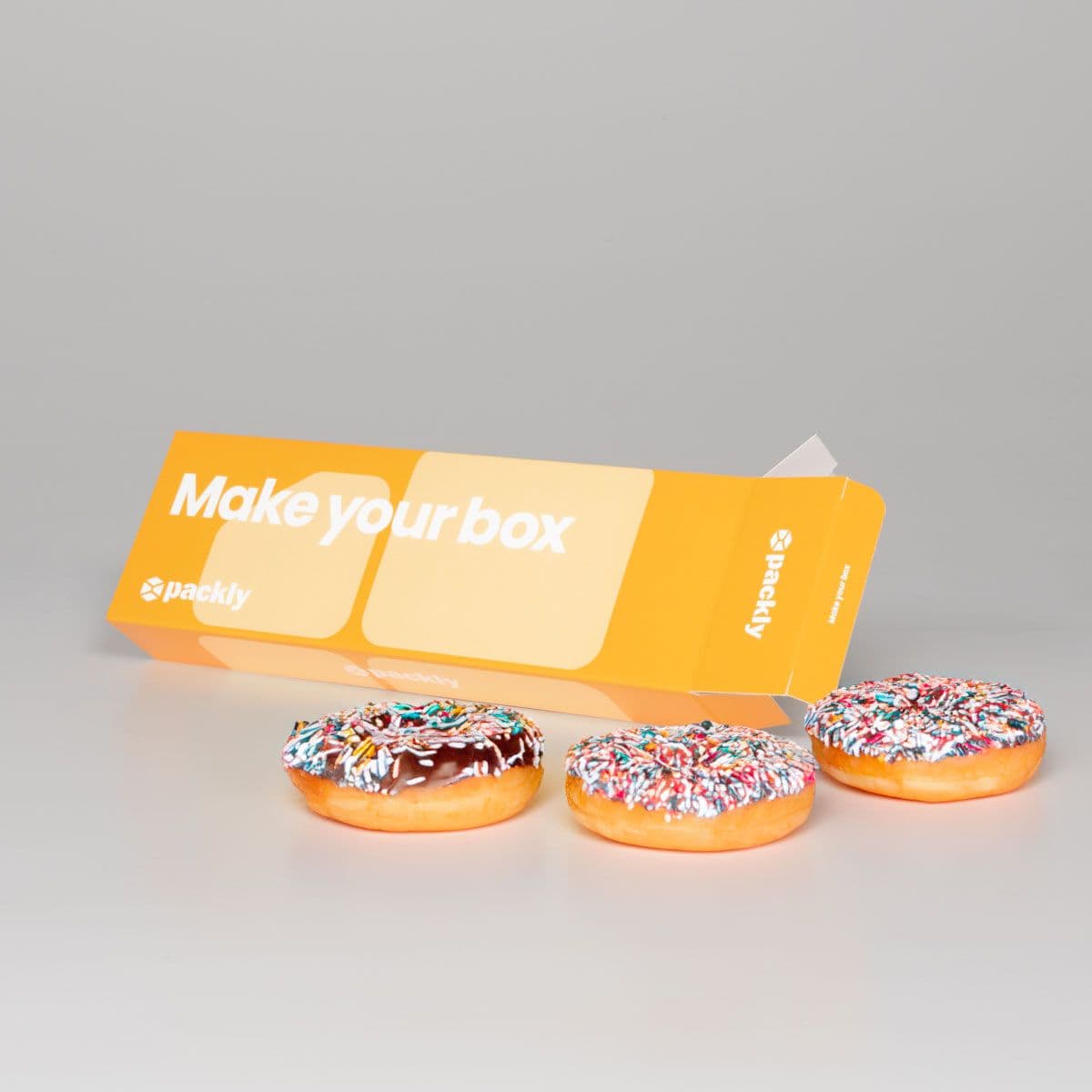
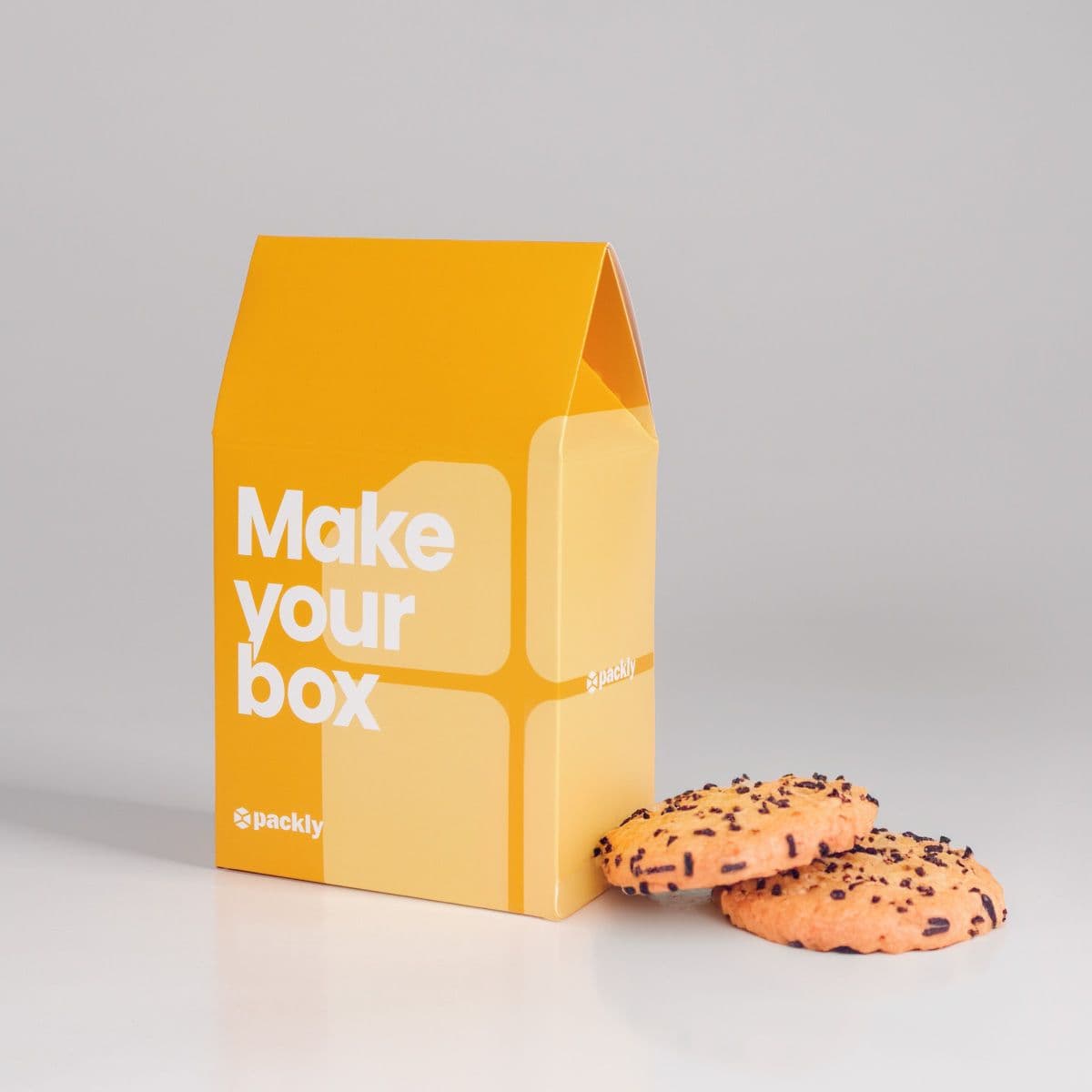
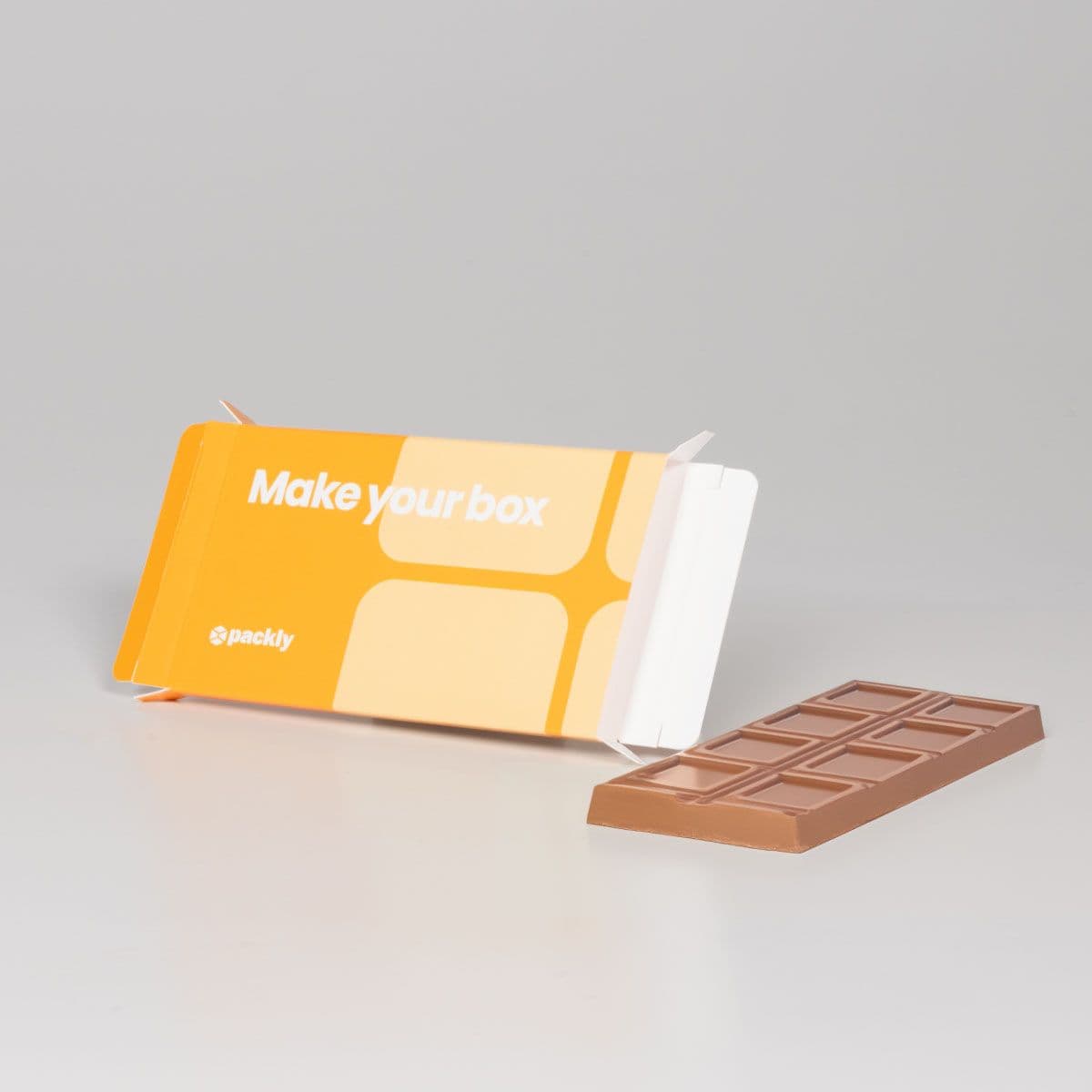
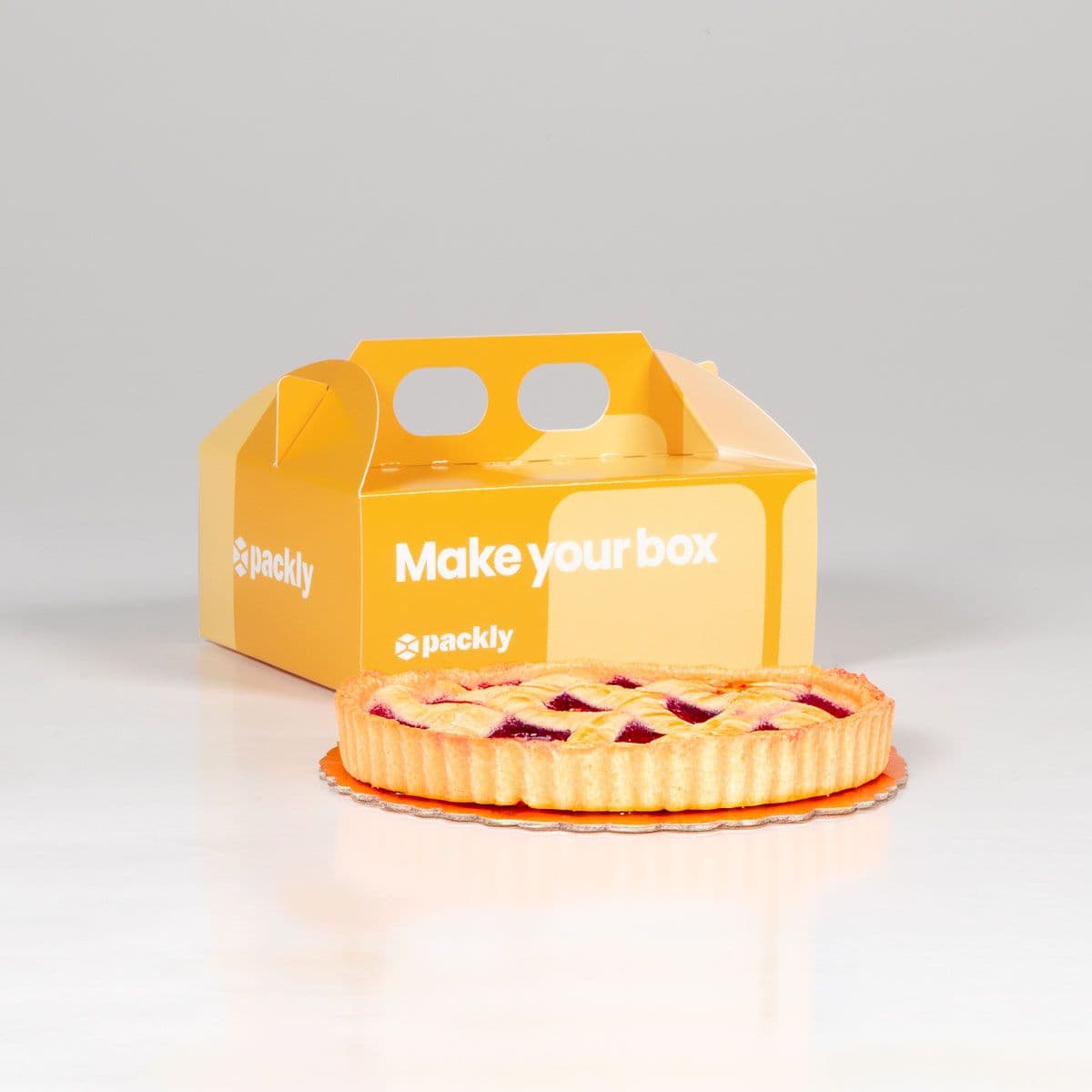
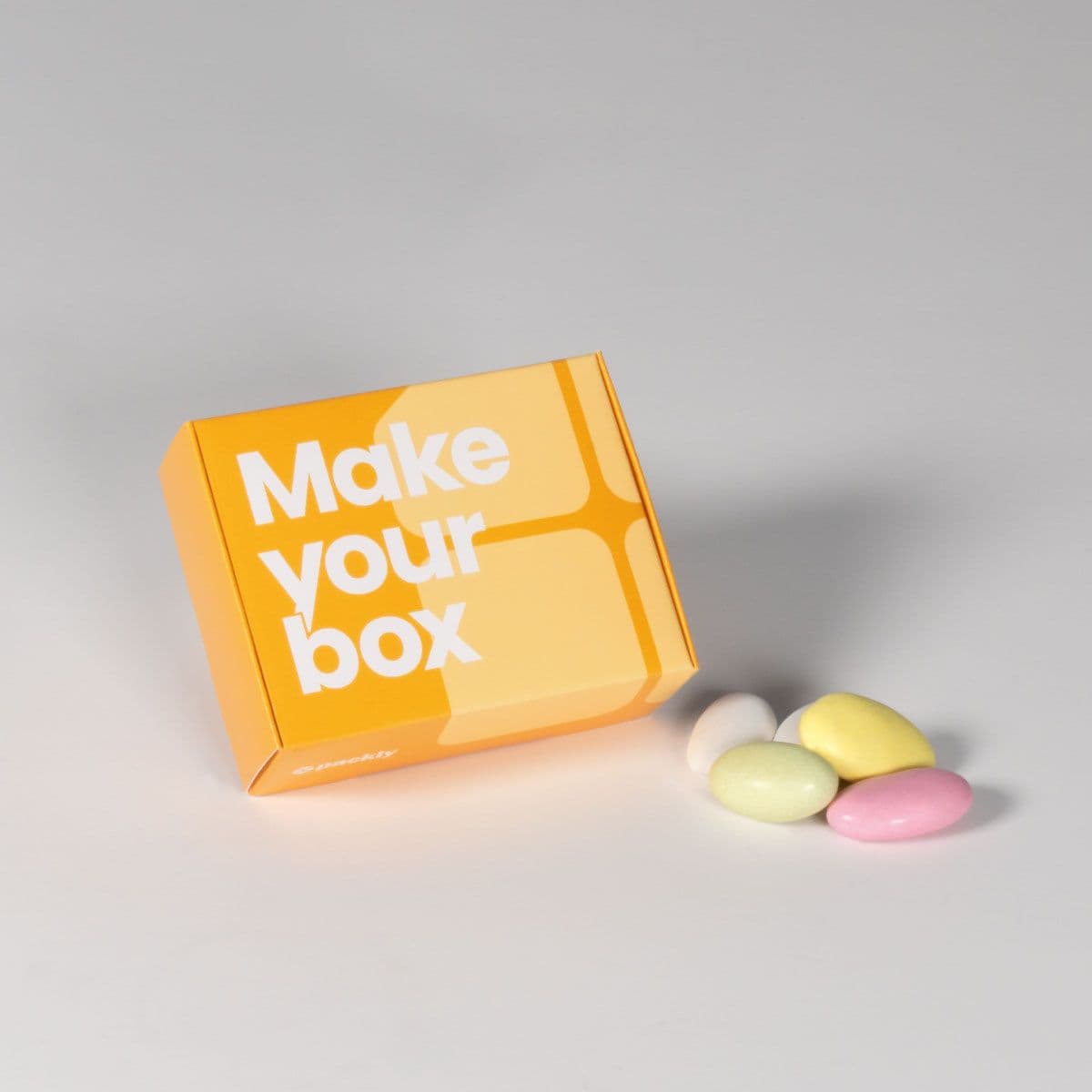
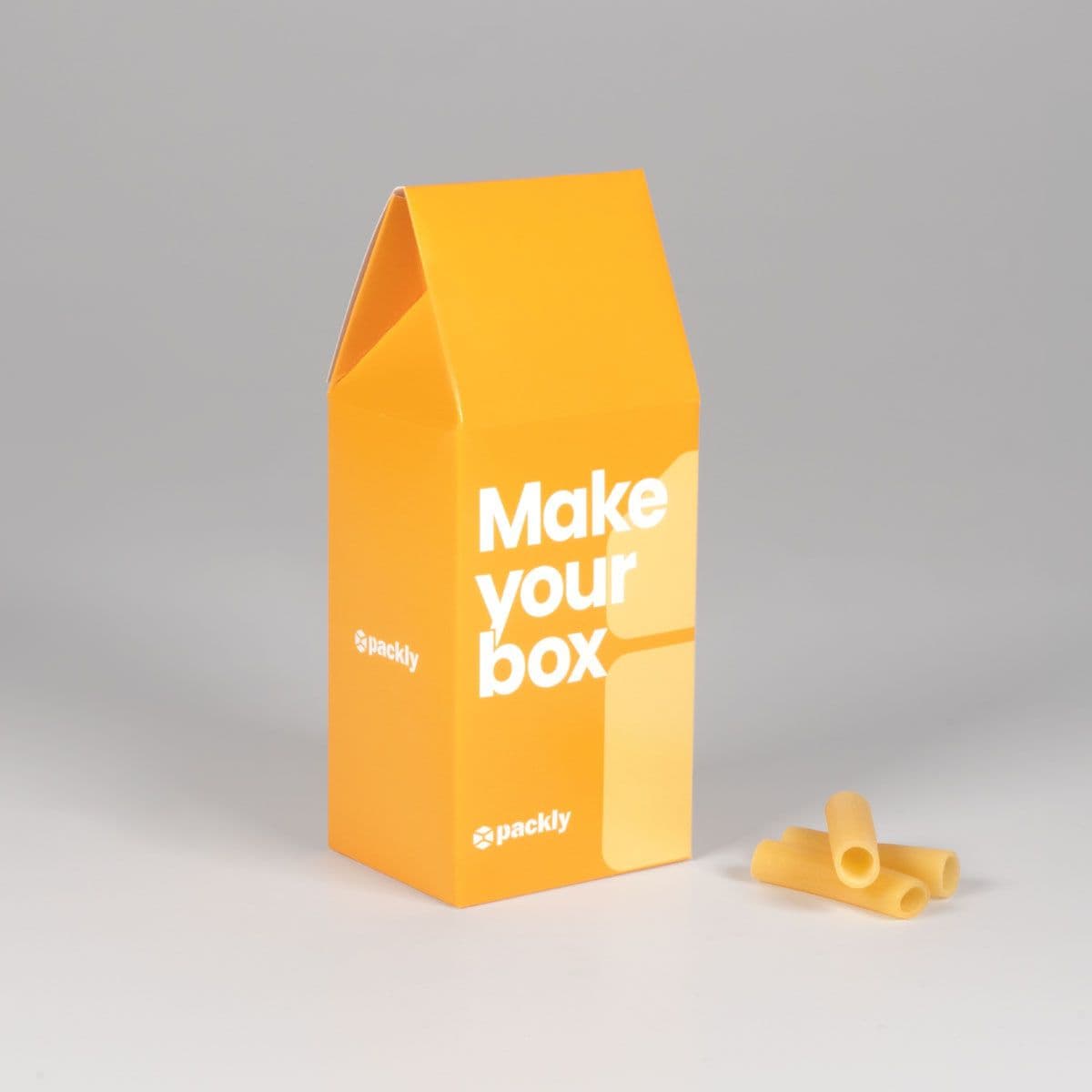
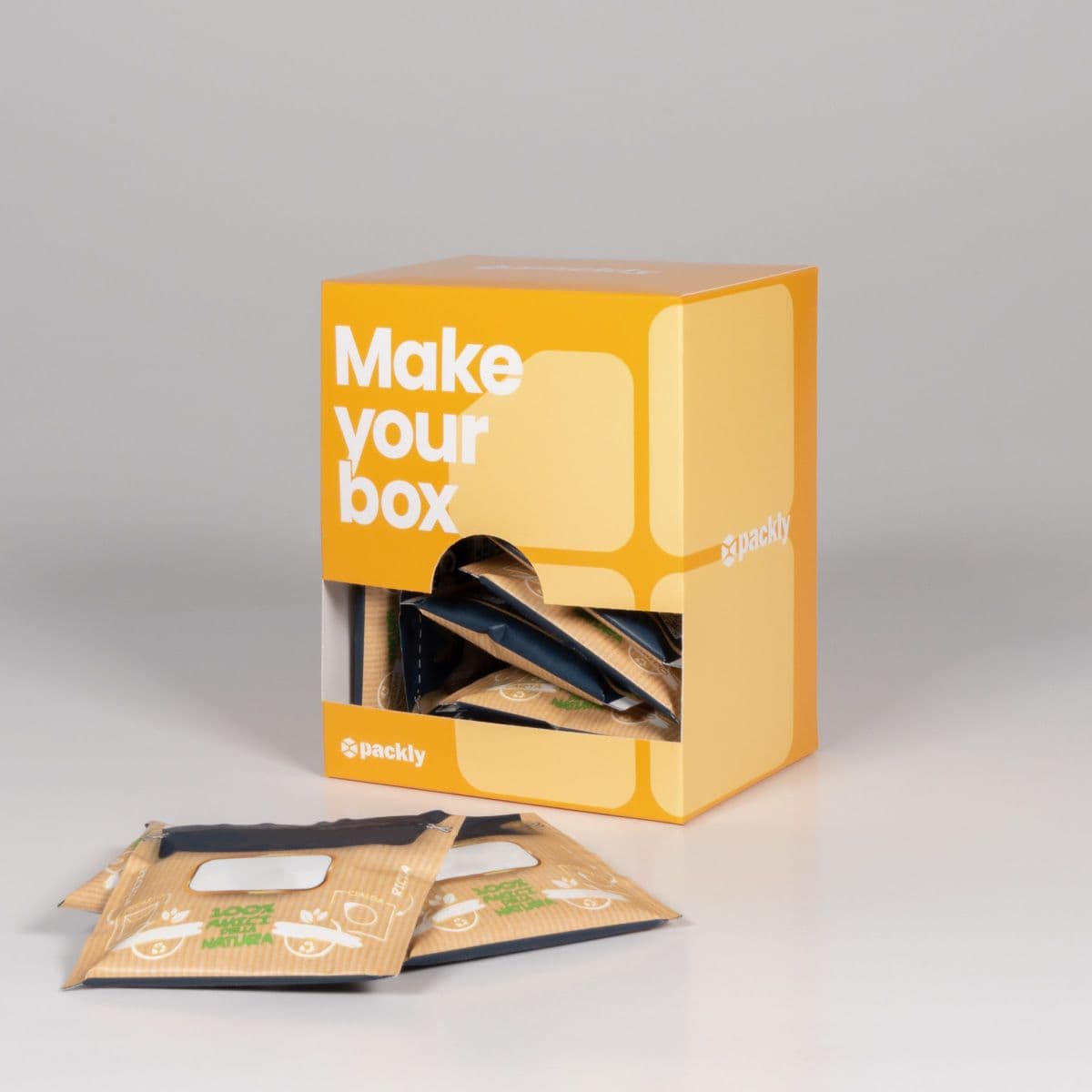
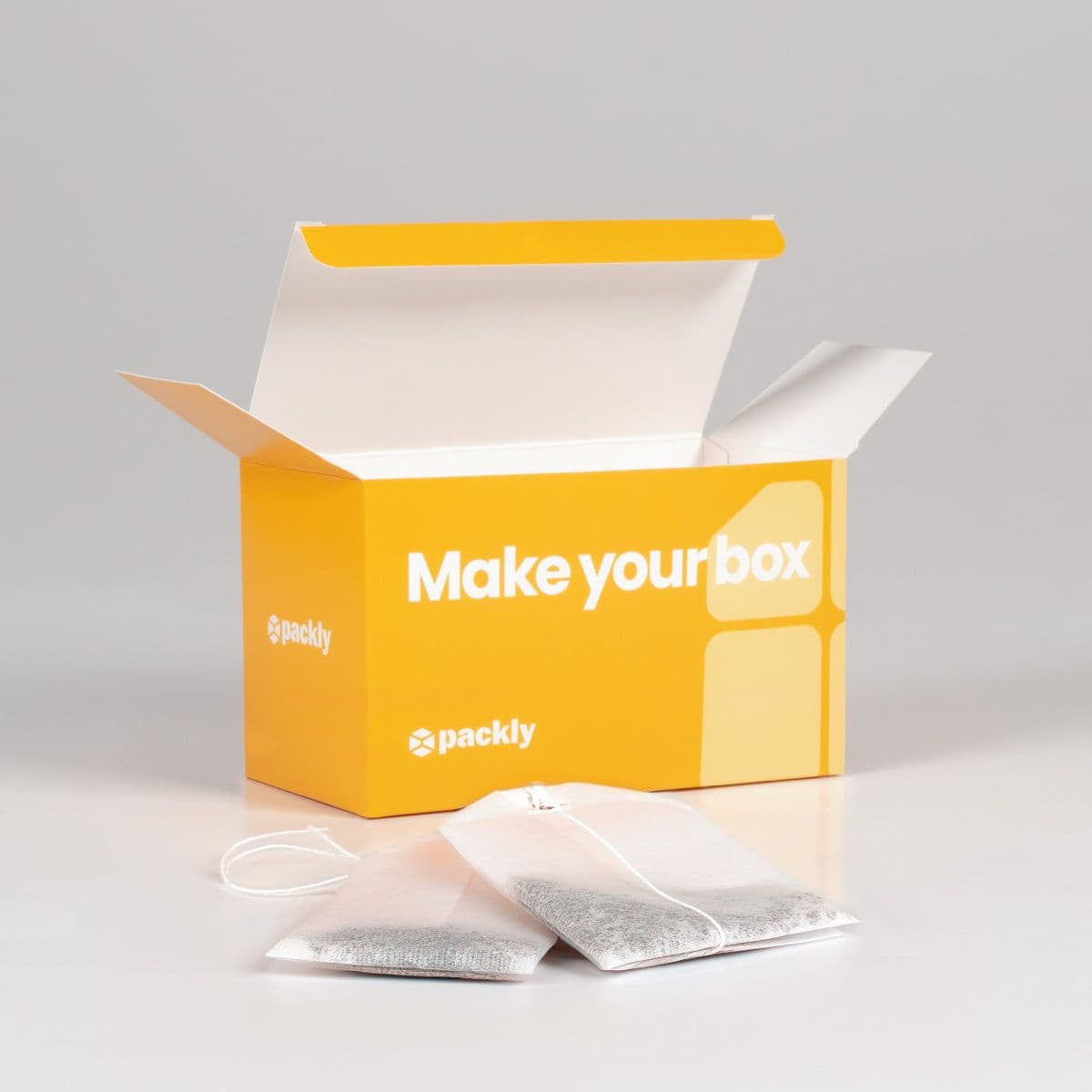
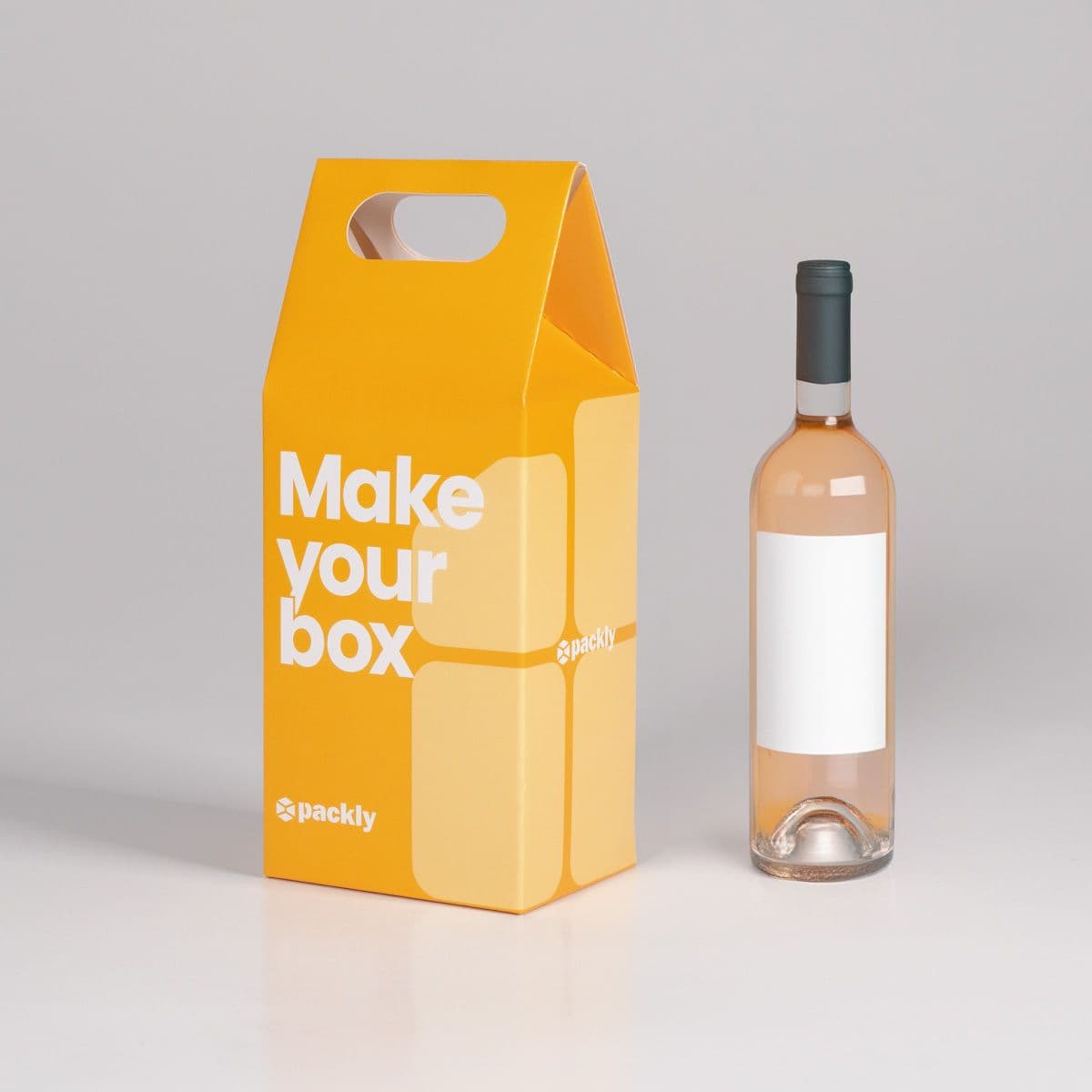
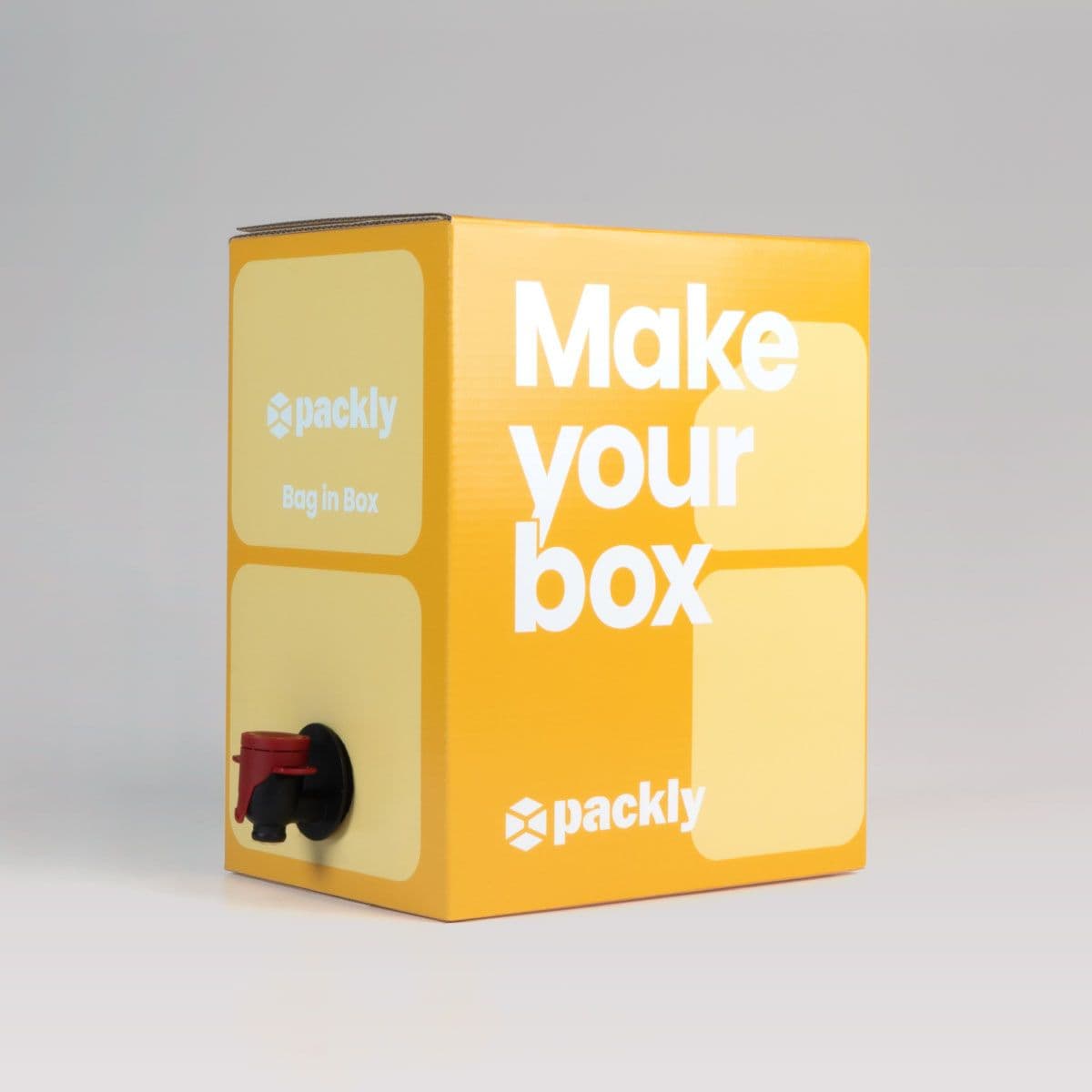
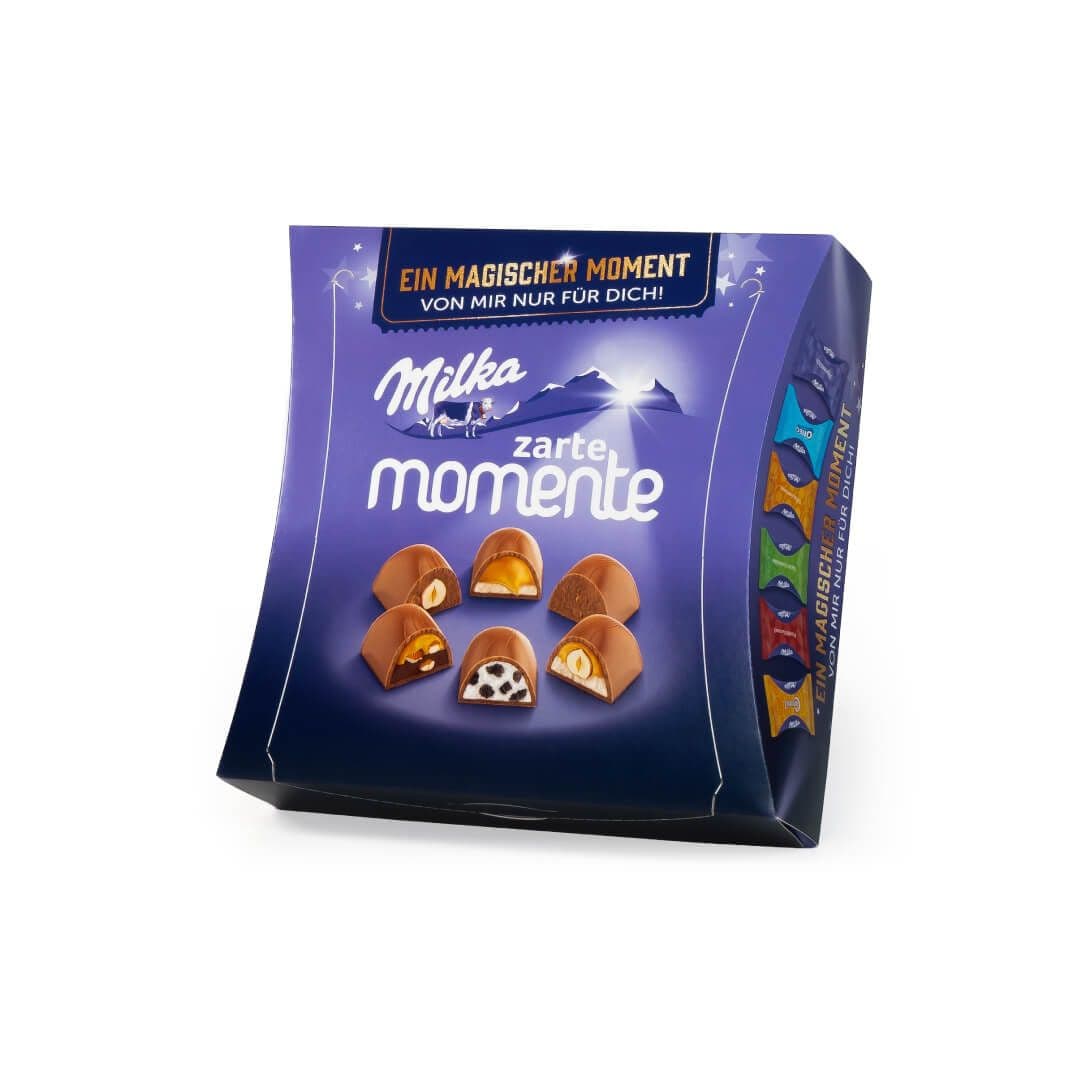
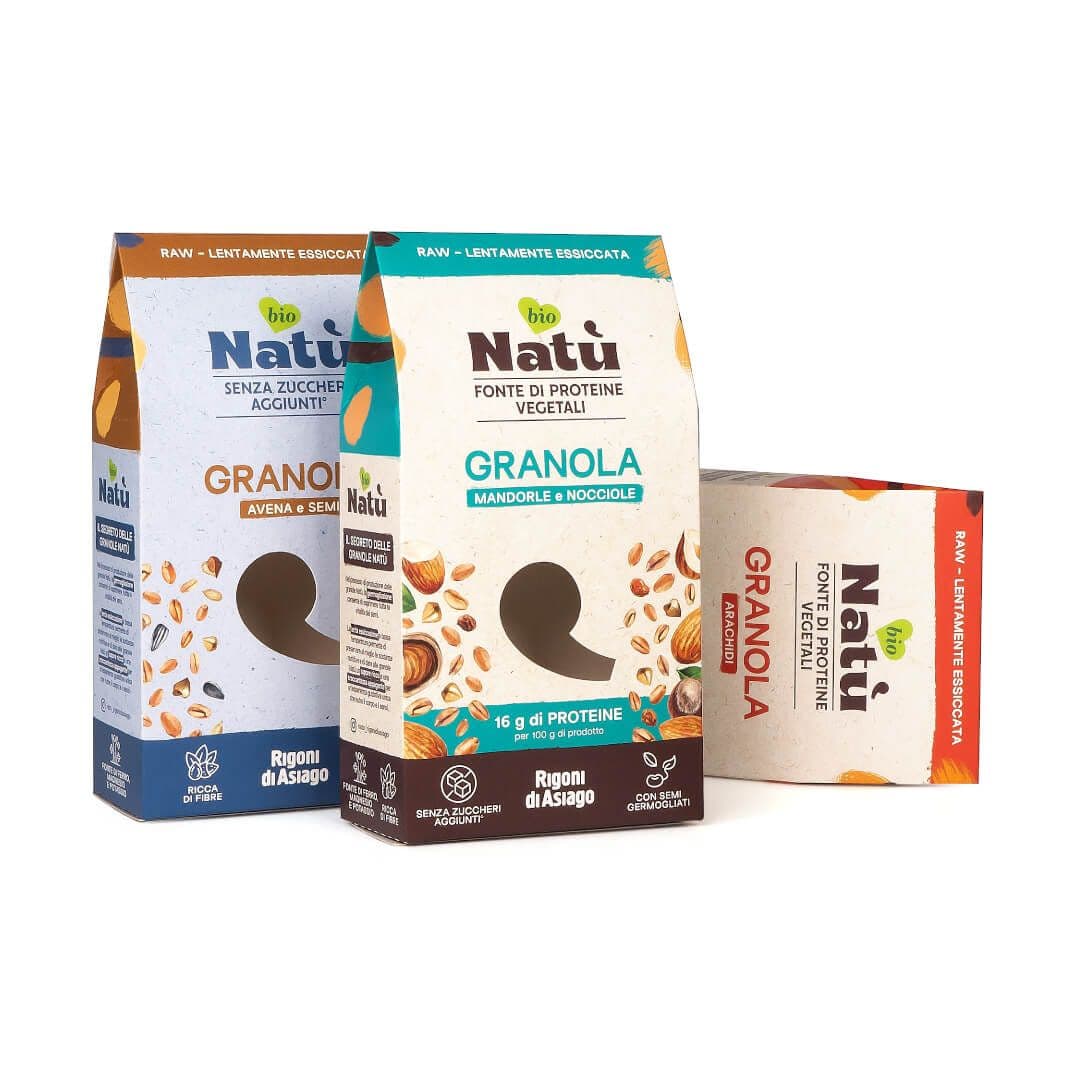
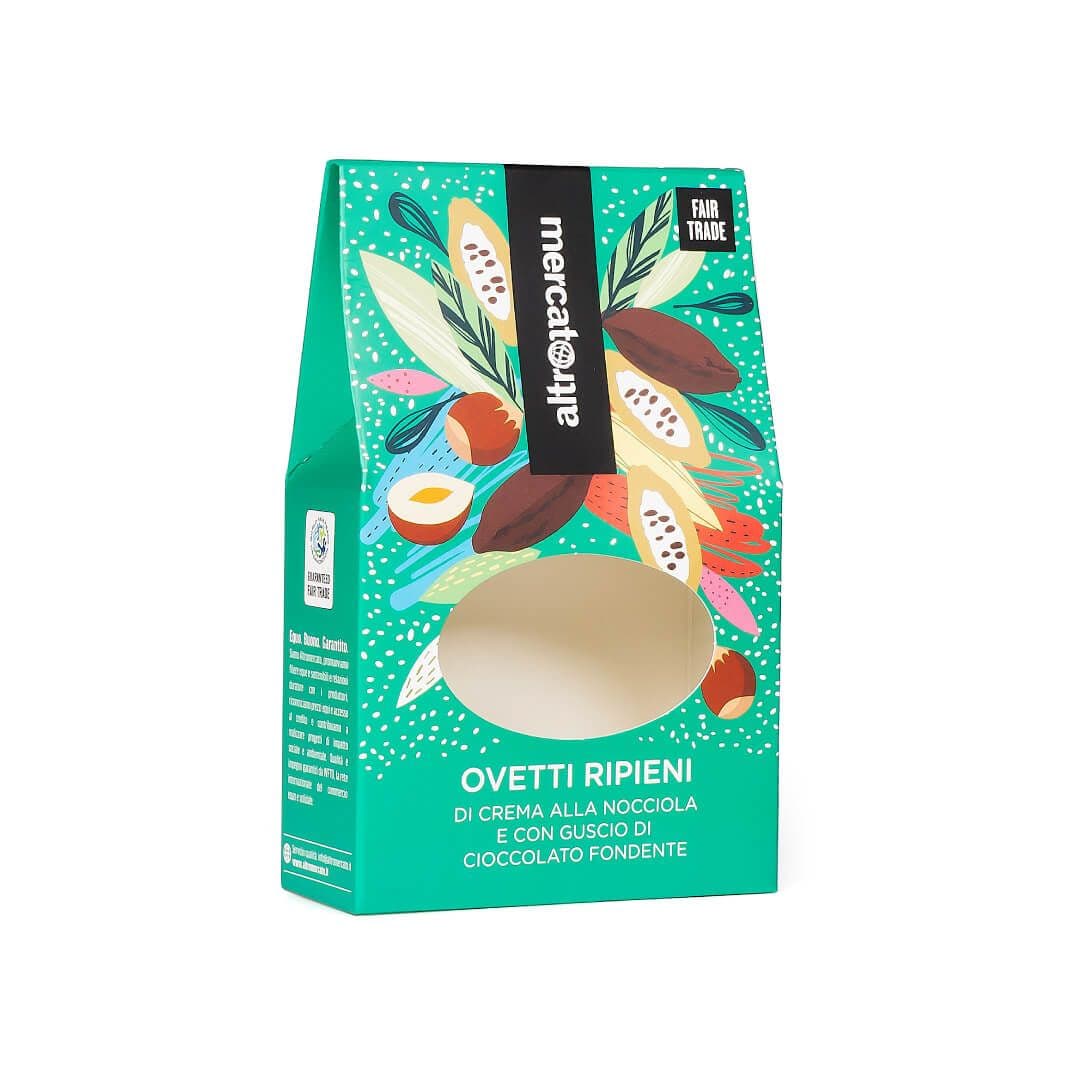
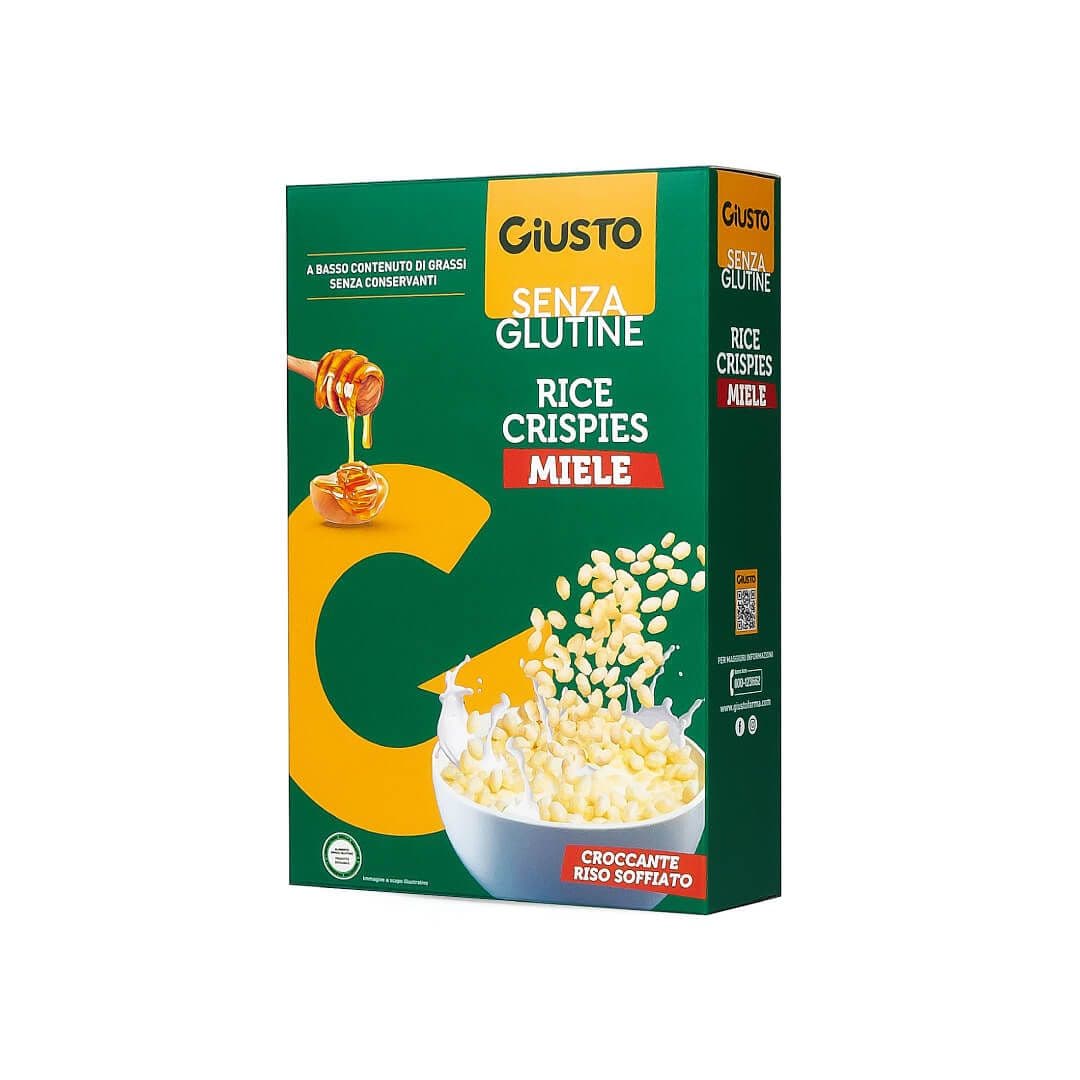
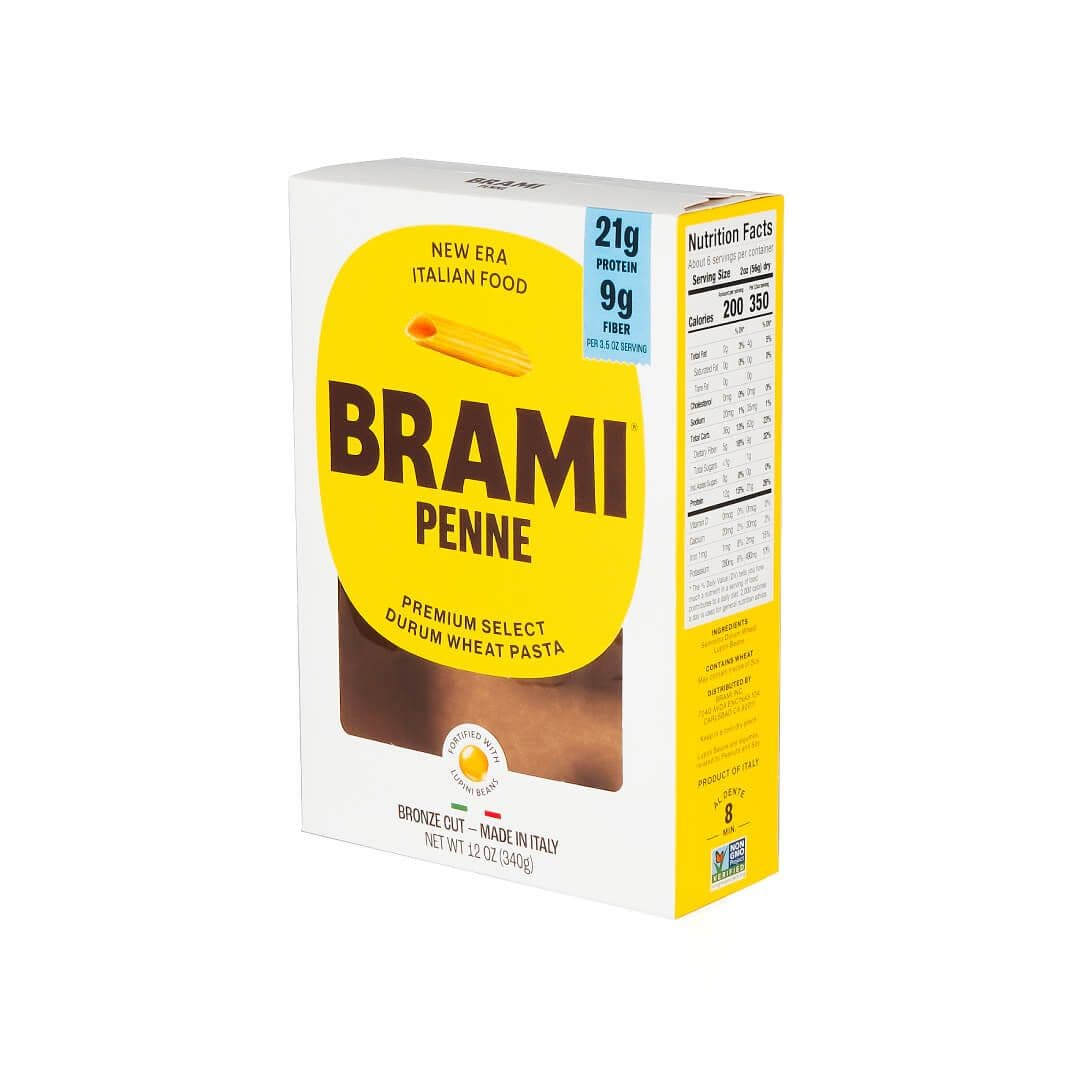
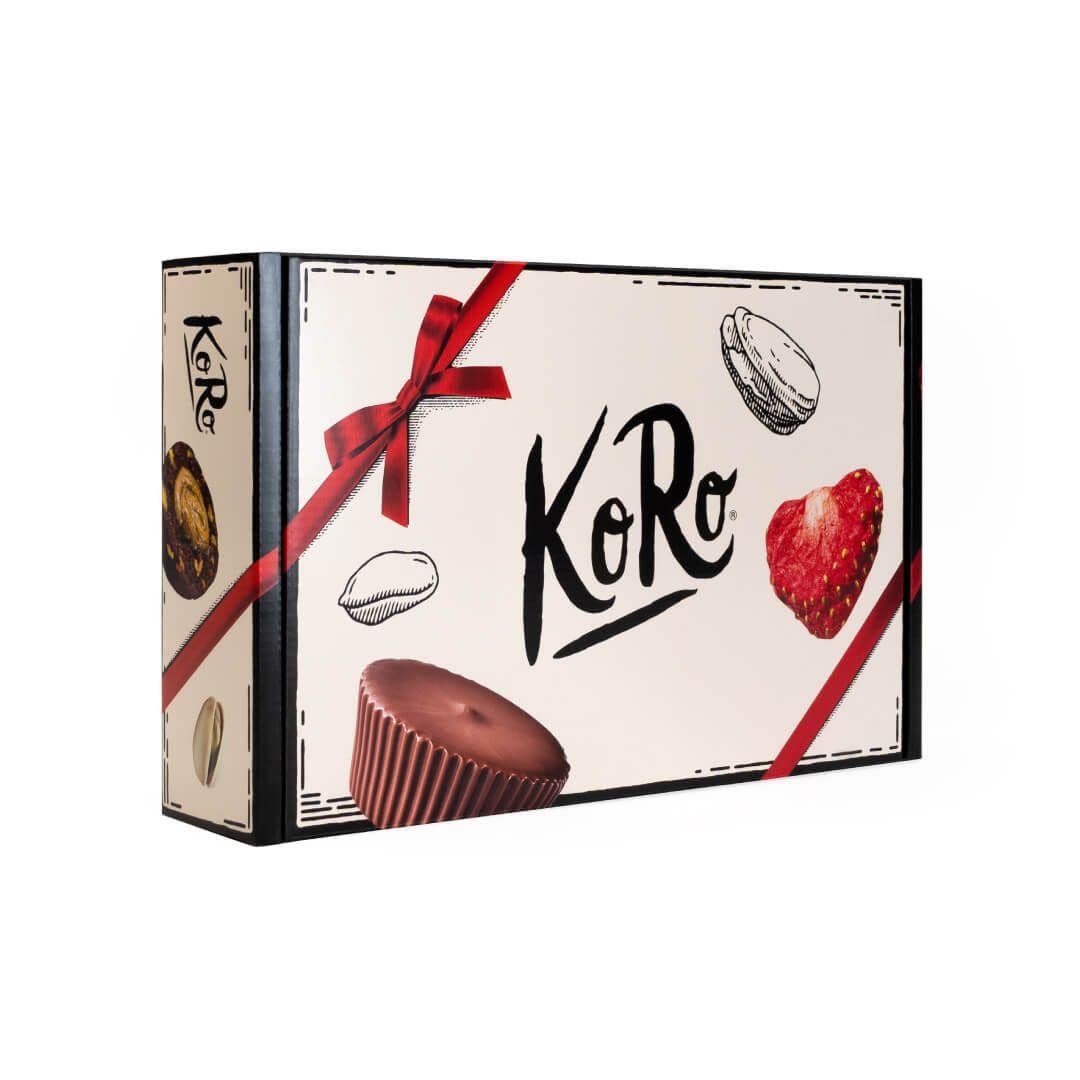
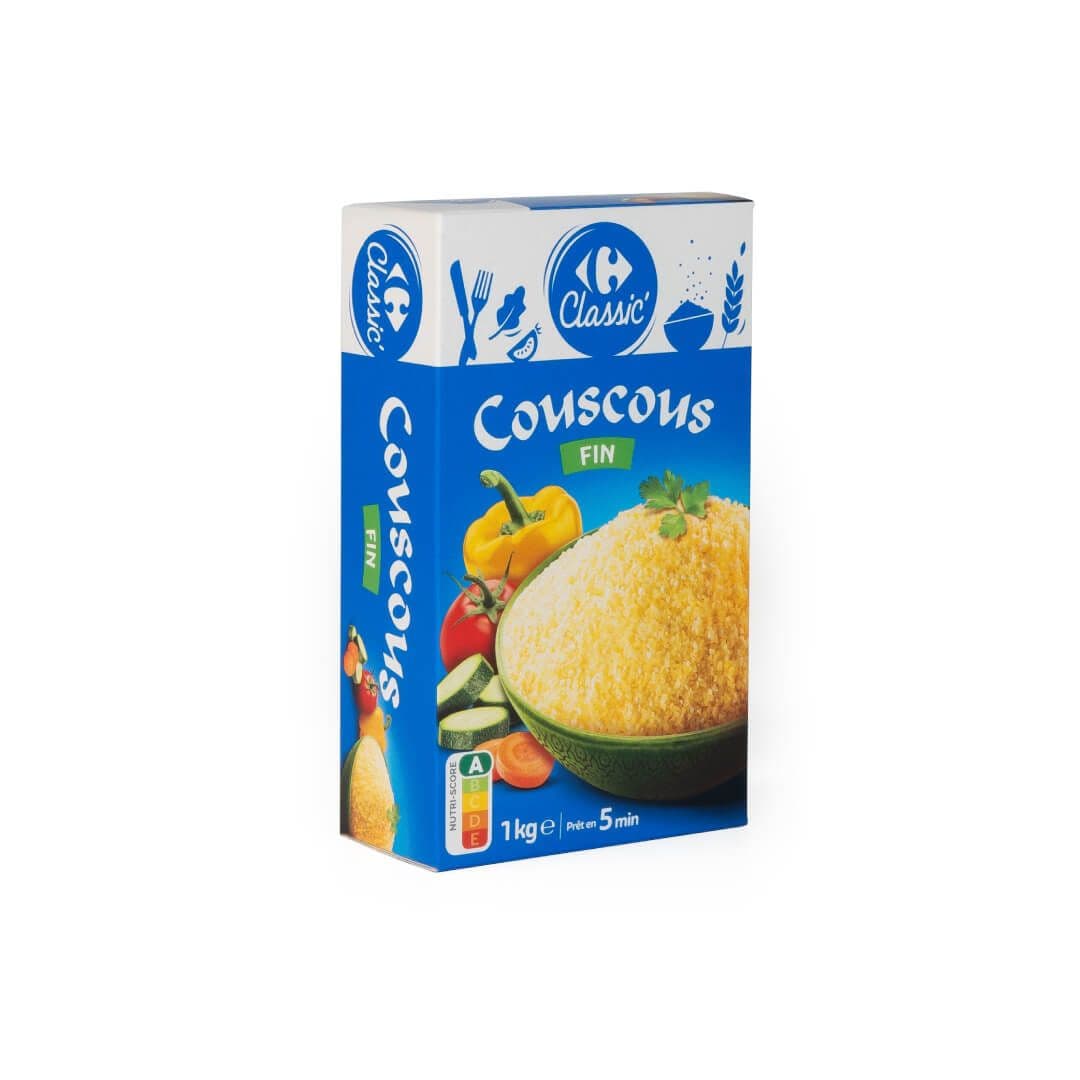
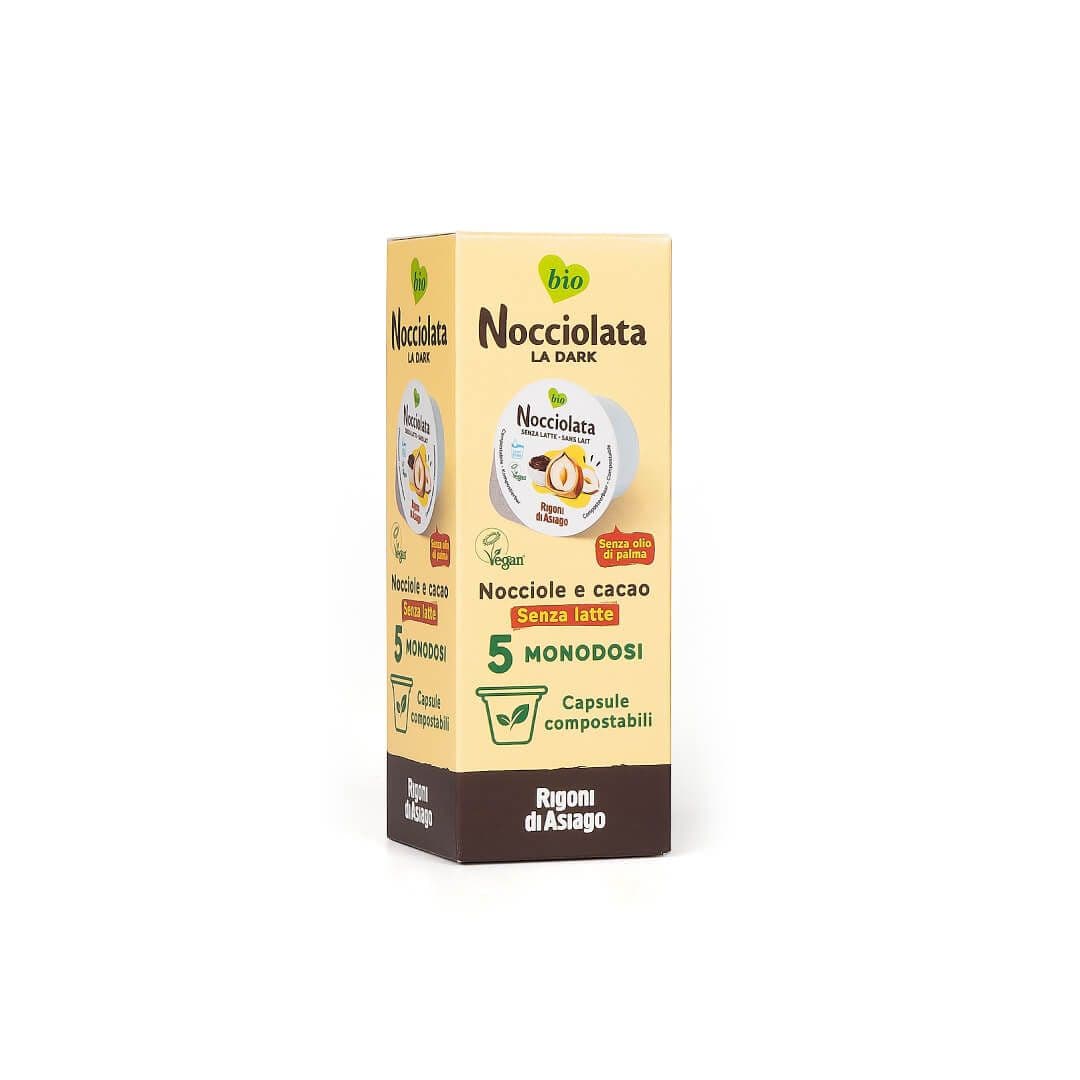
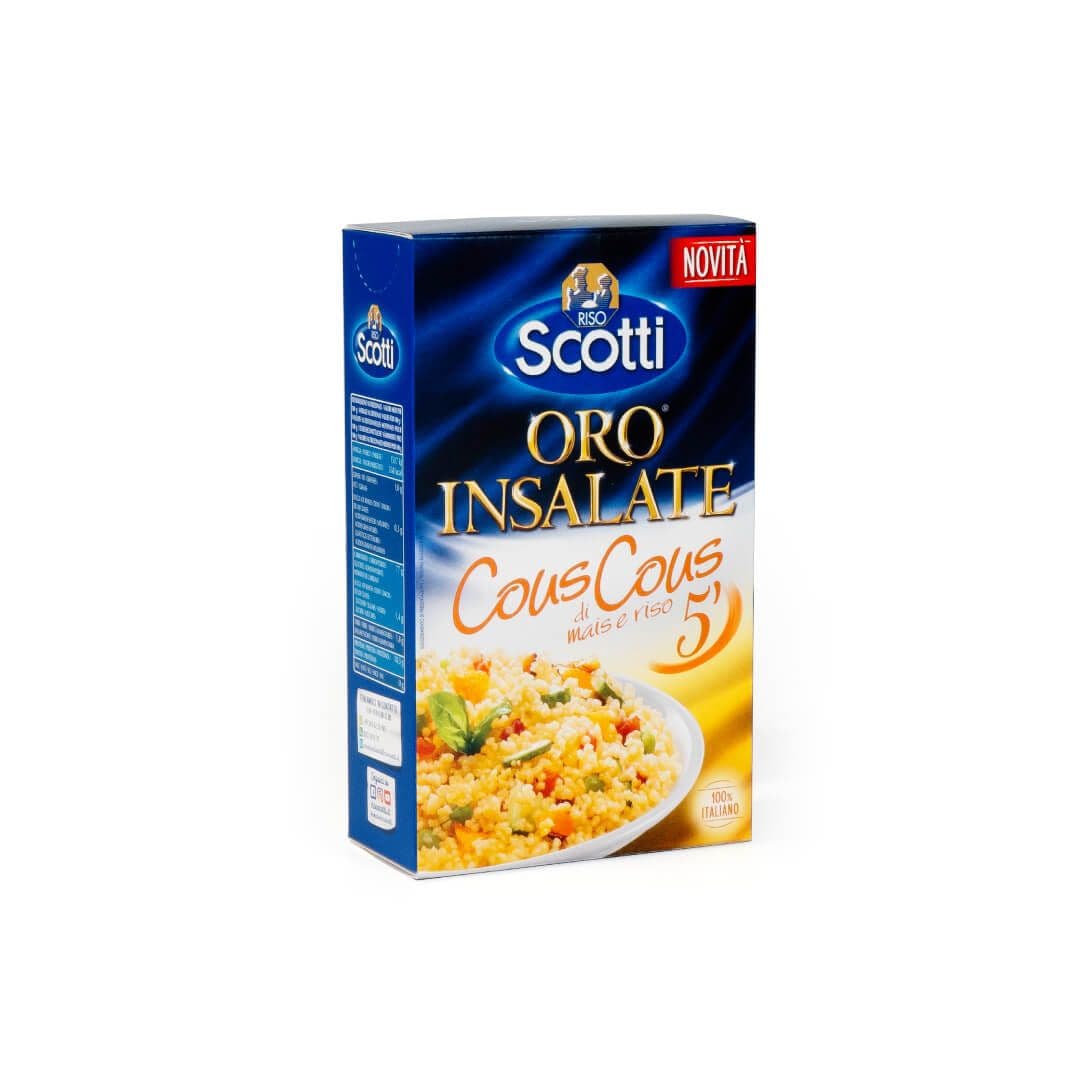
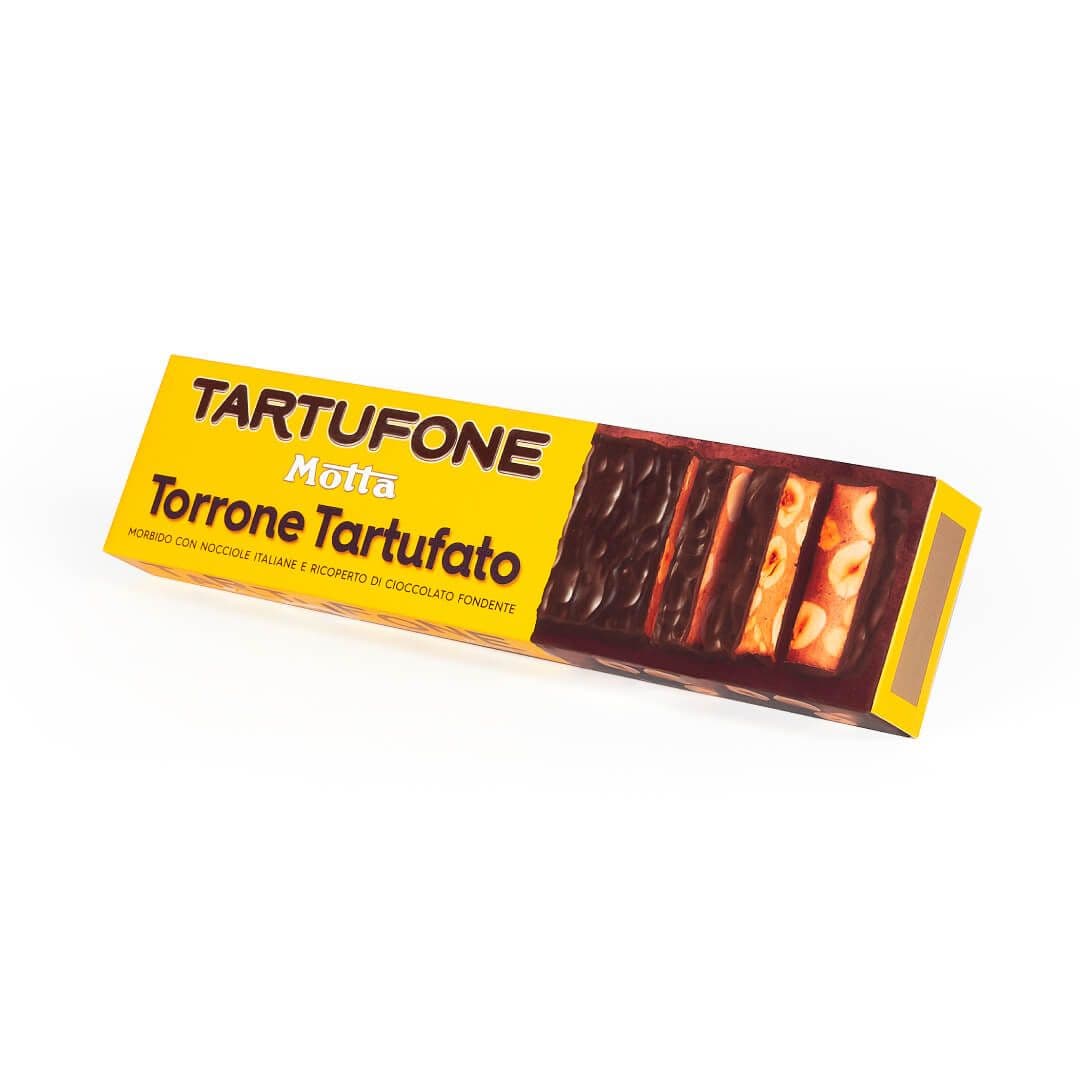
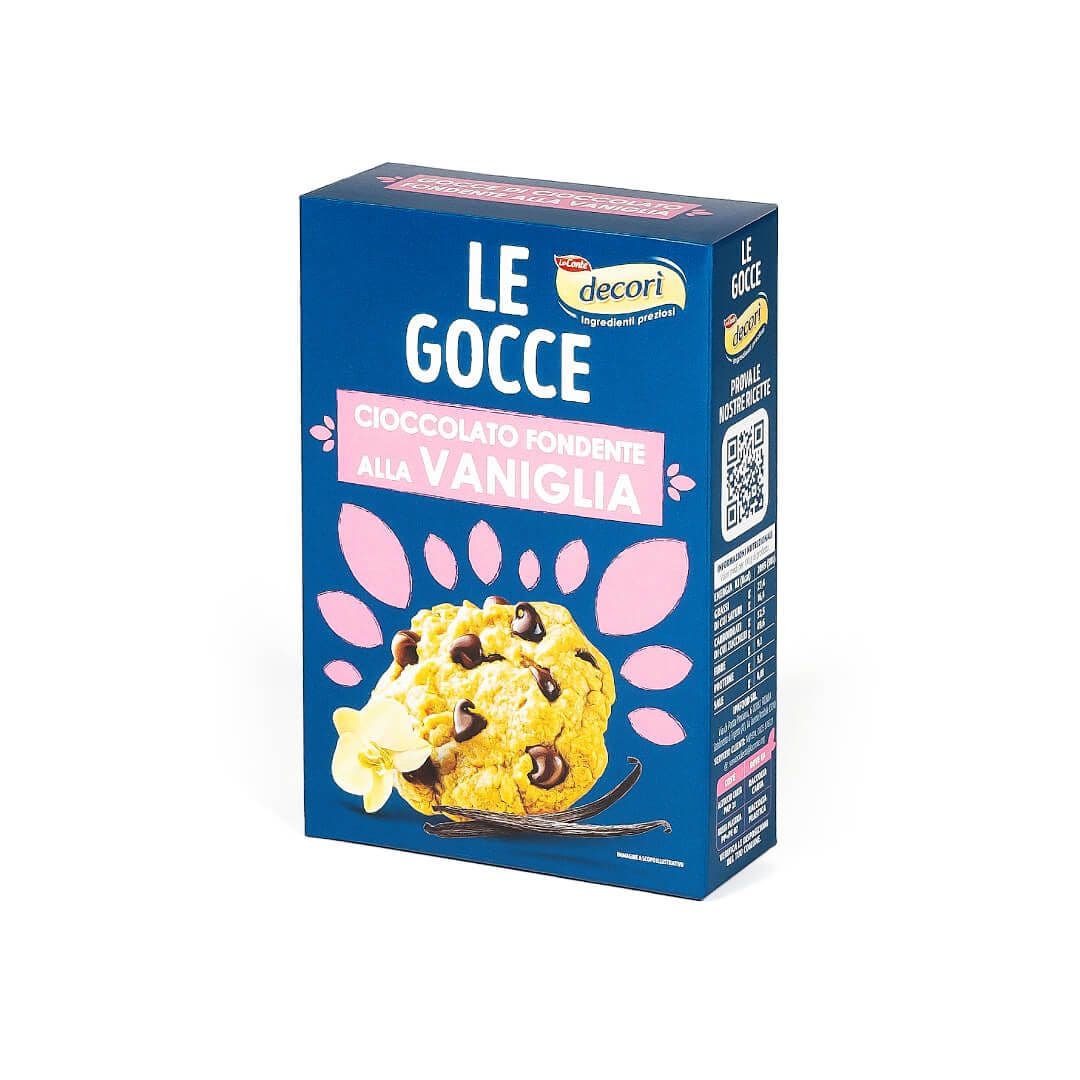
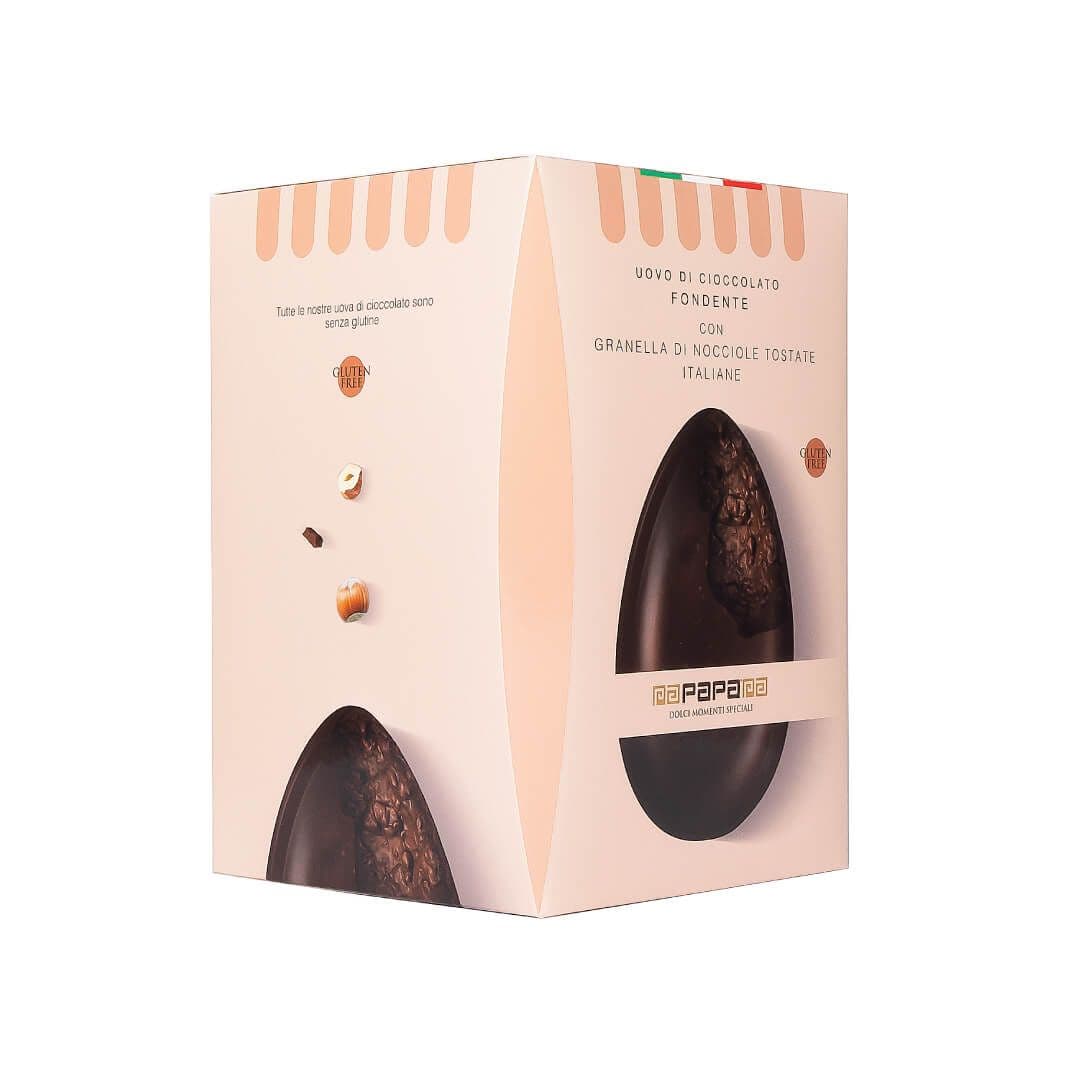
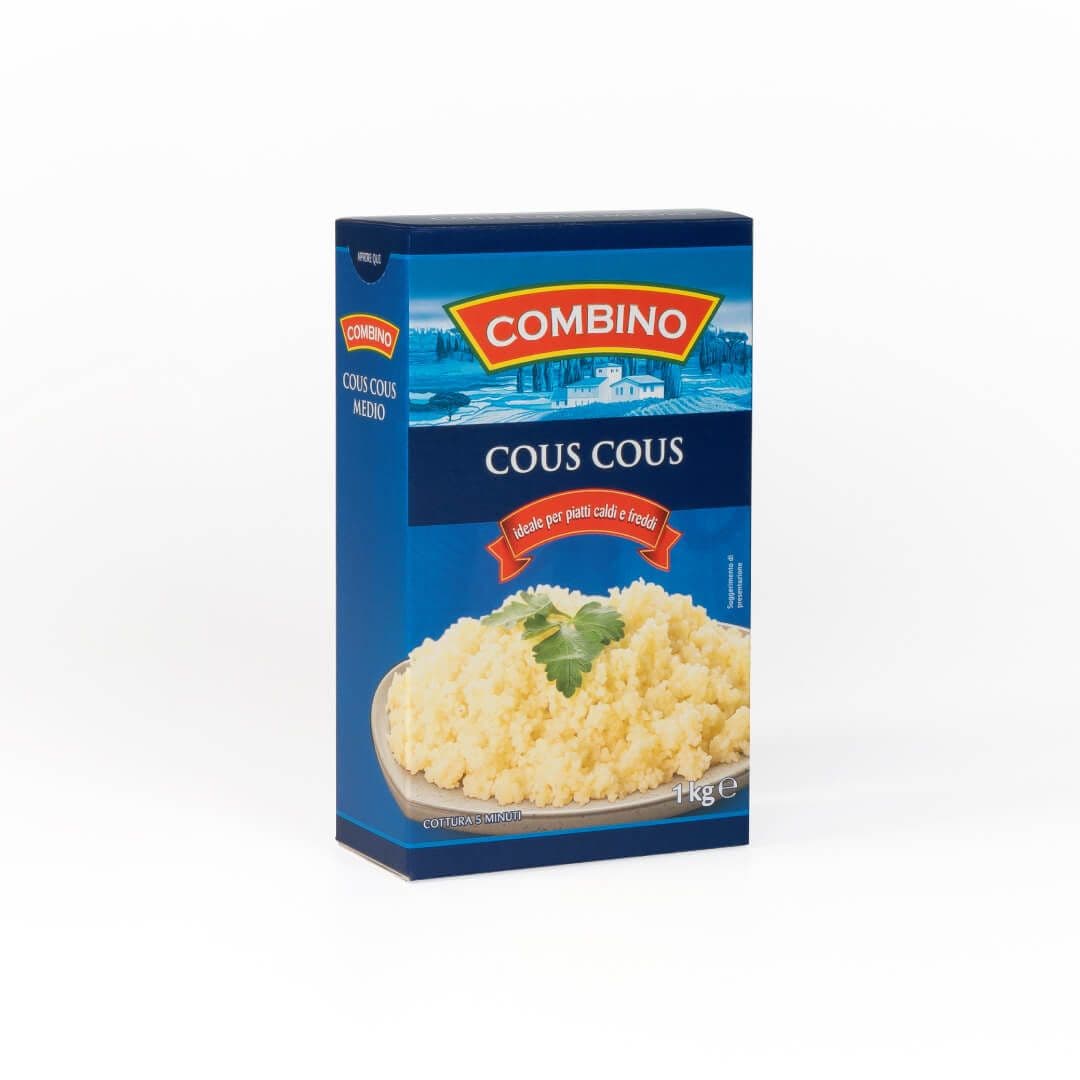
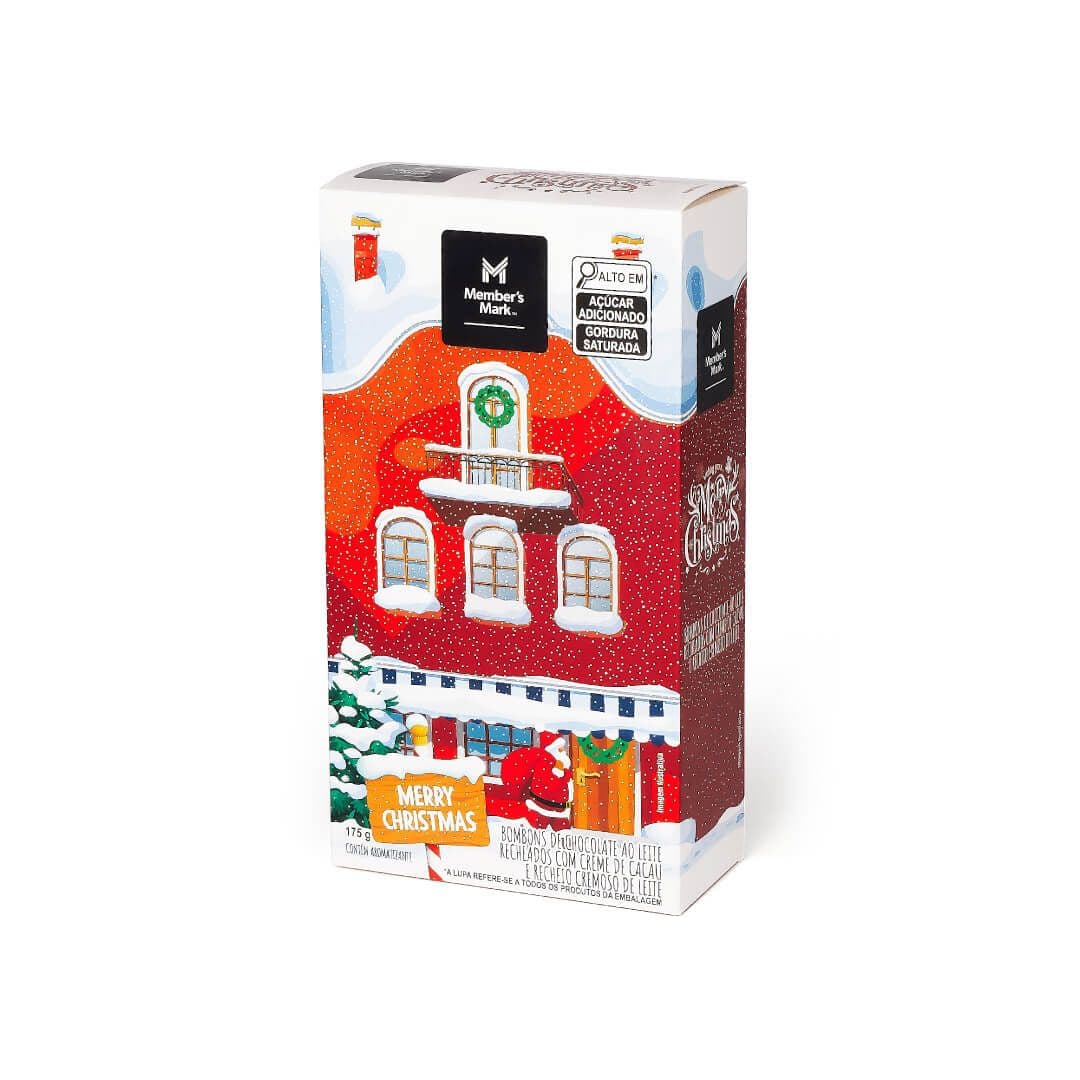
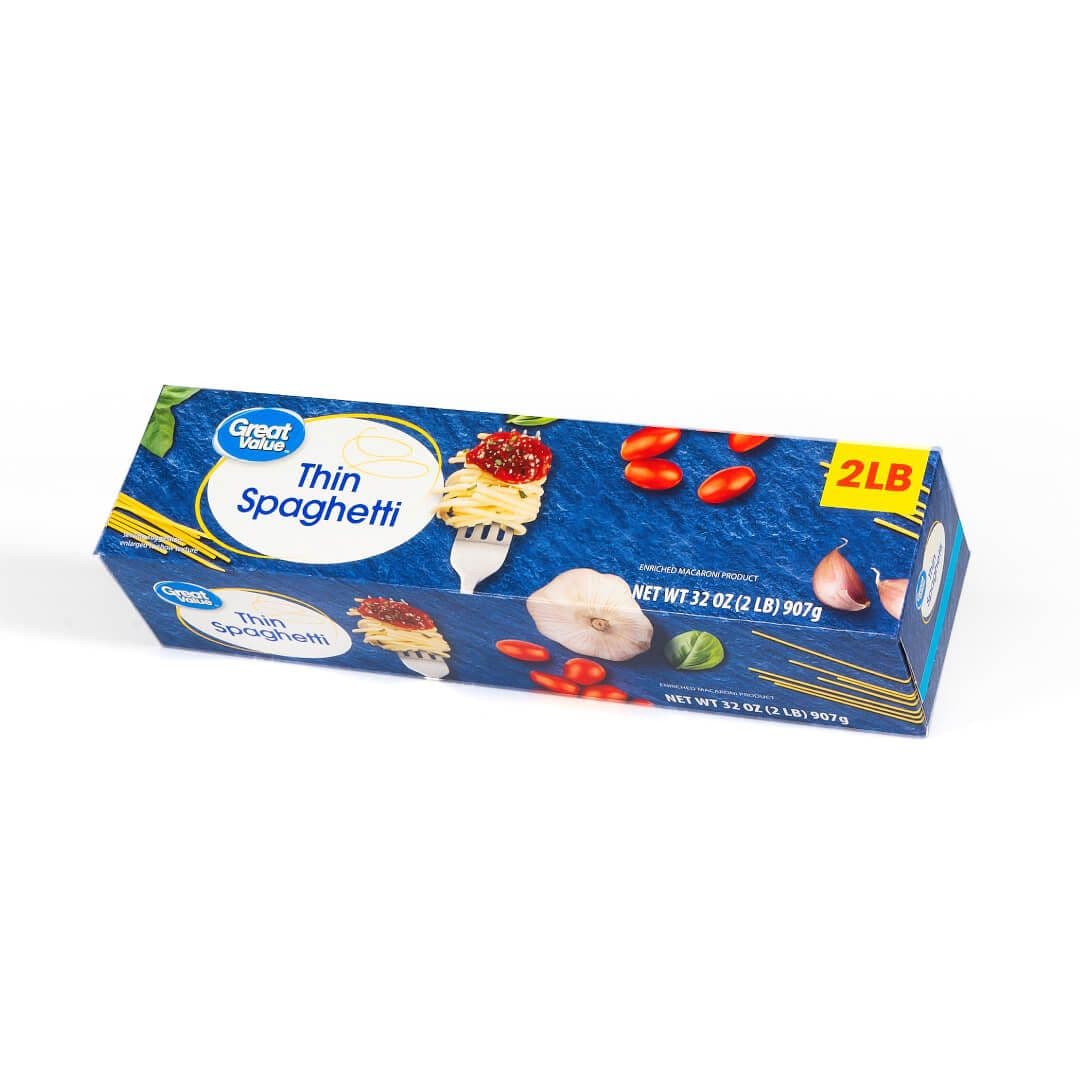
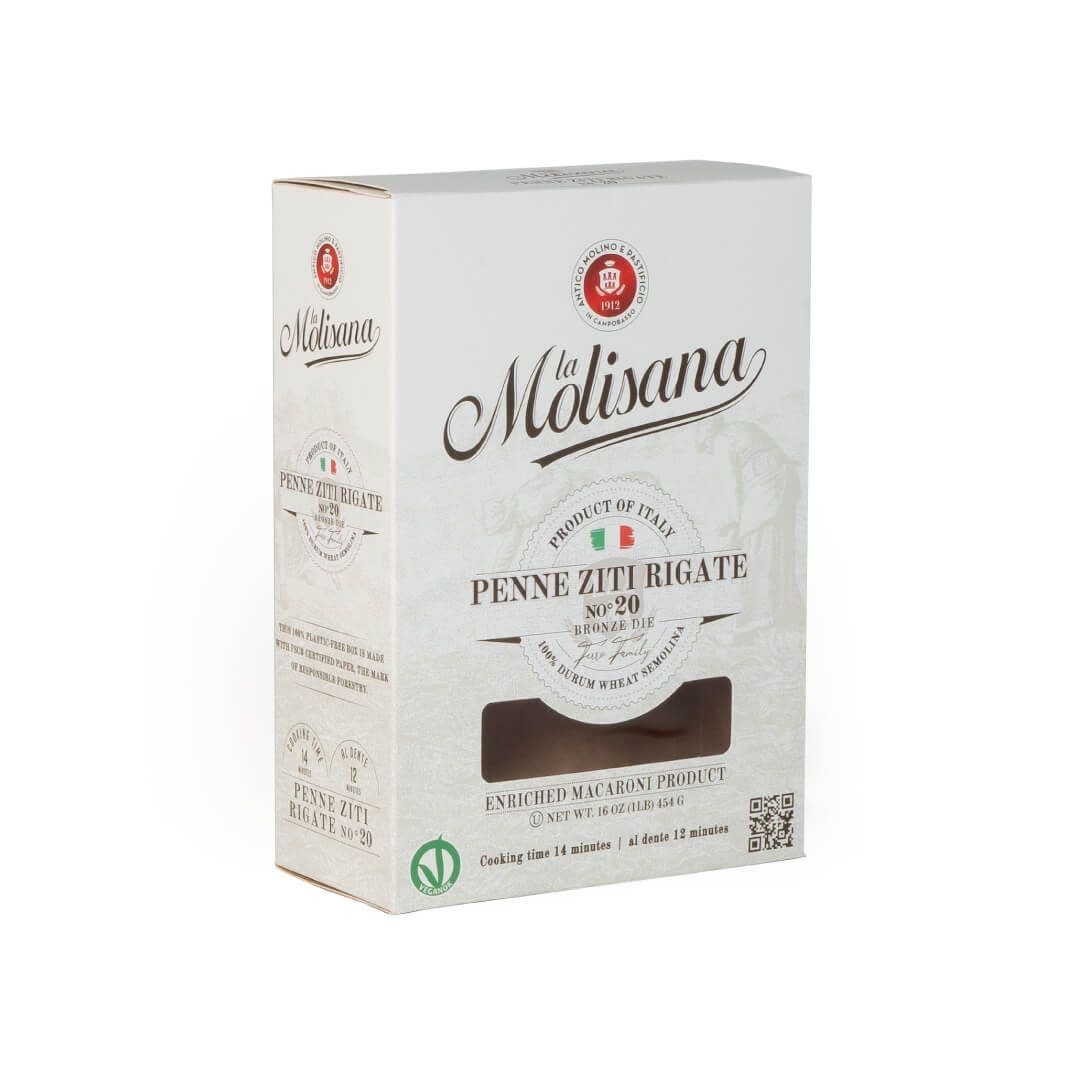
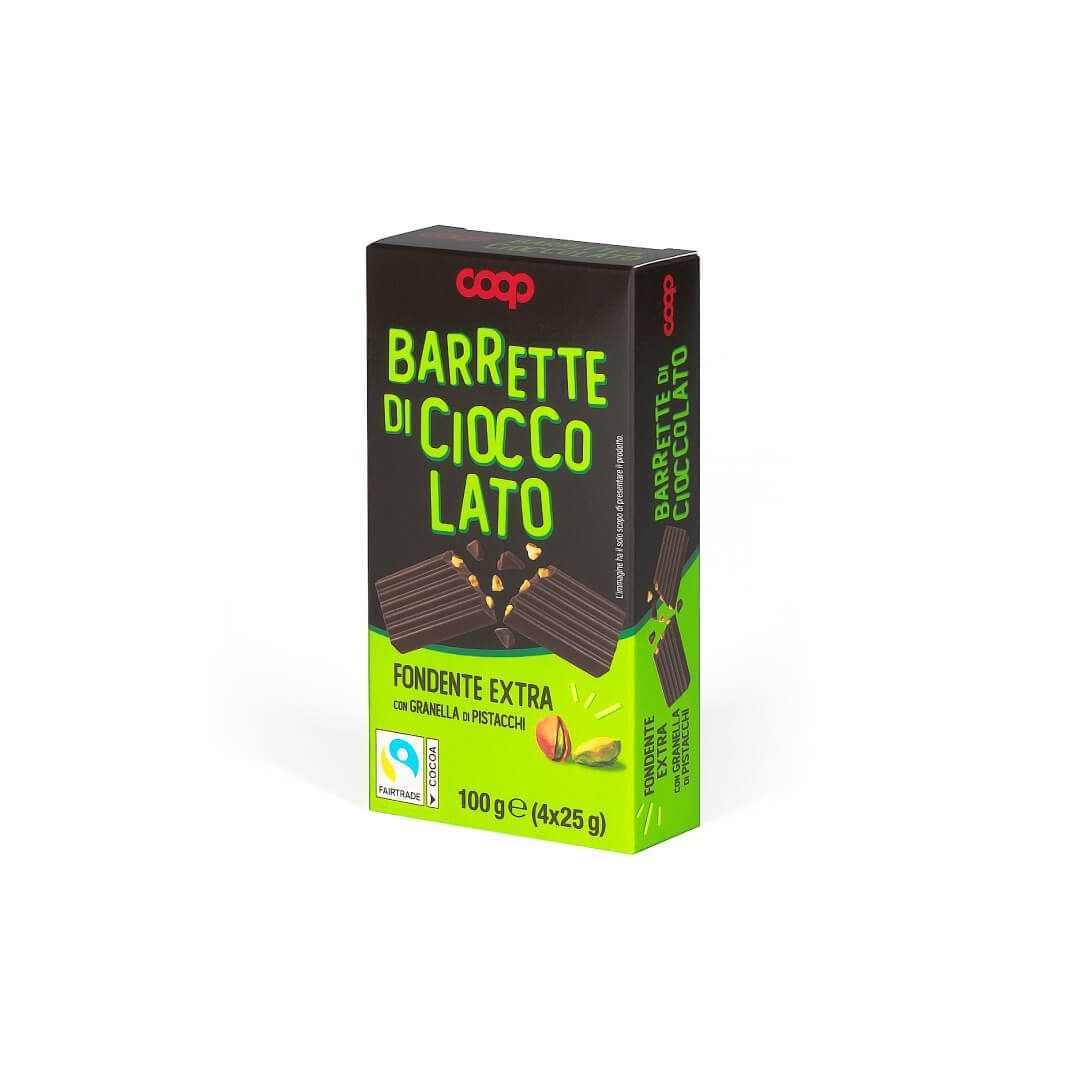
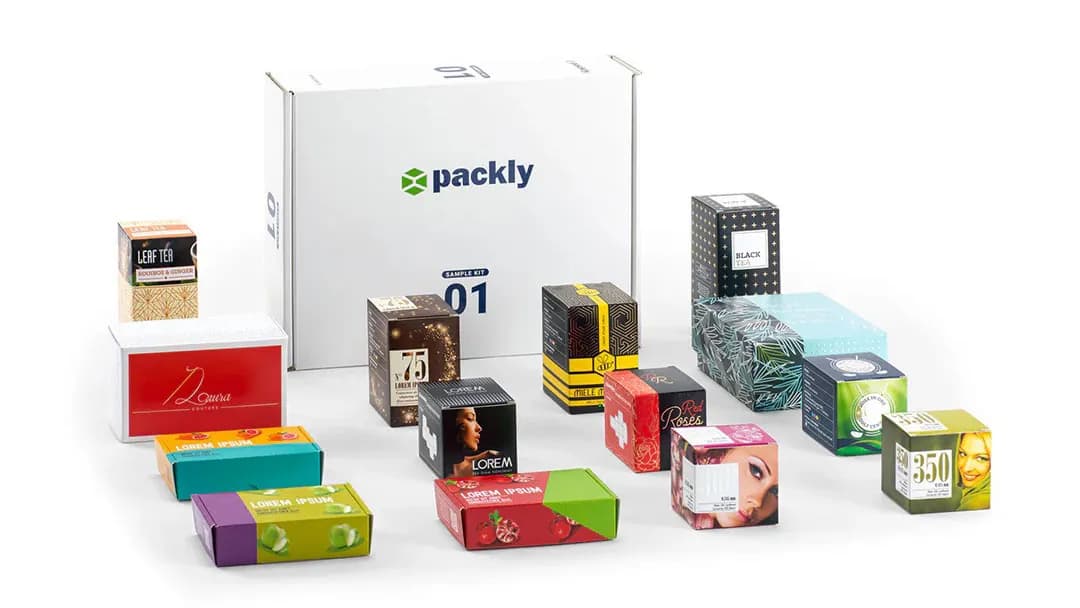
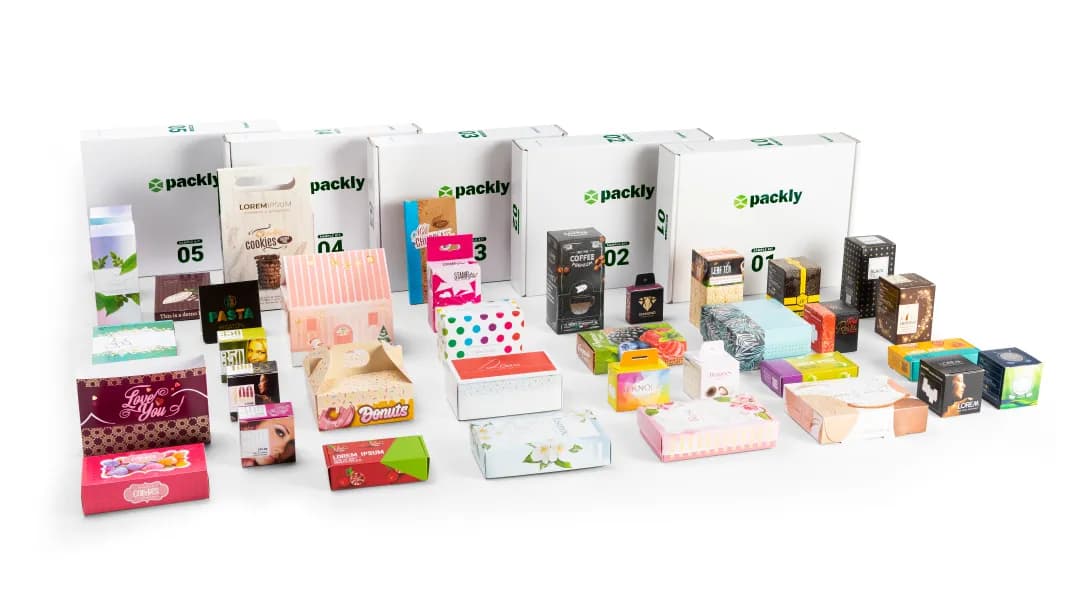
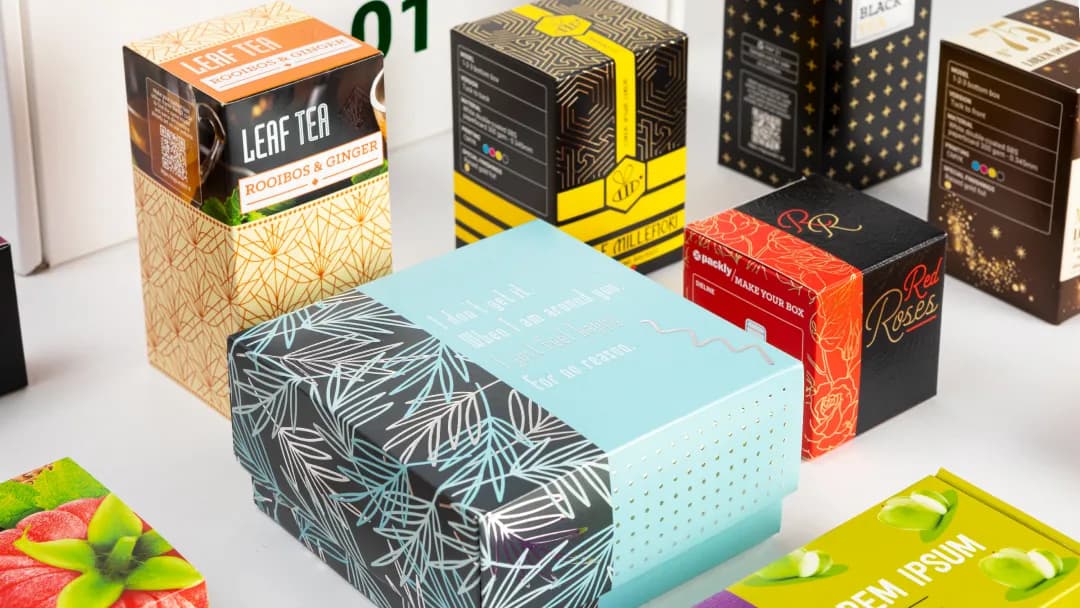
Food packaging solutions produced for our customers
Tailored solutions for industrial-scale production
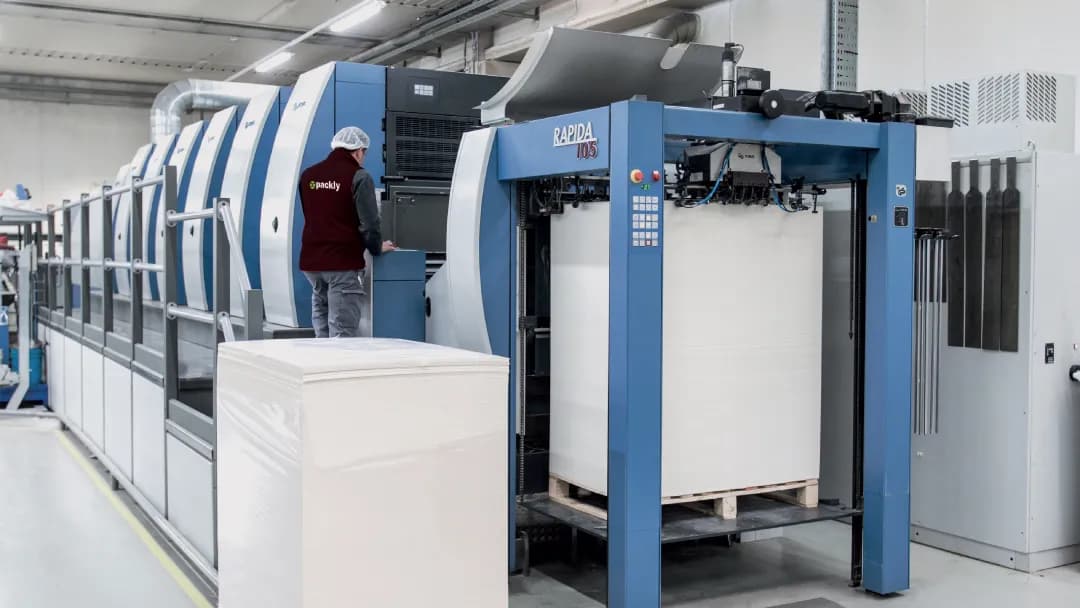
Are you working on a packaging project for beverage and looking for a large-scale production? We also specialize in industrial packaging and partner with companies to create fully customized, made-to-measure solutions. Our options include matte or gloss lamination, hot foil stamping, double-sided printing, die-cutting, custom windows, and much more. From prototyping to large production runs — always with the highest quality.
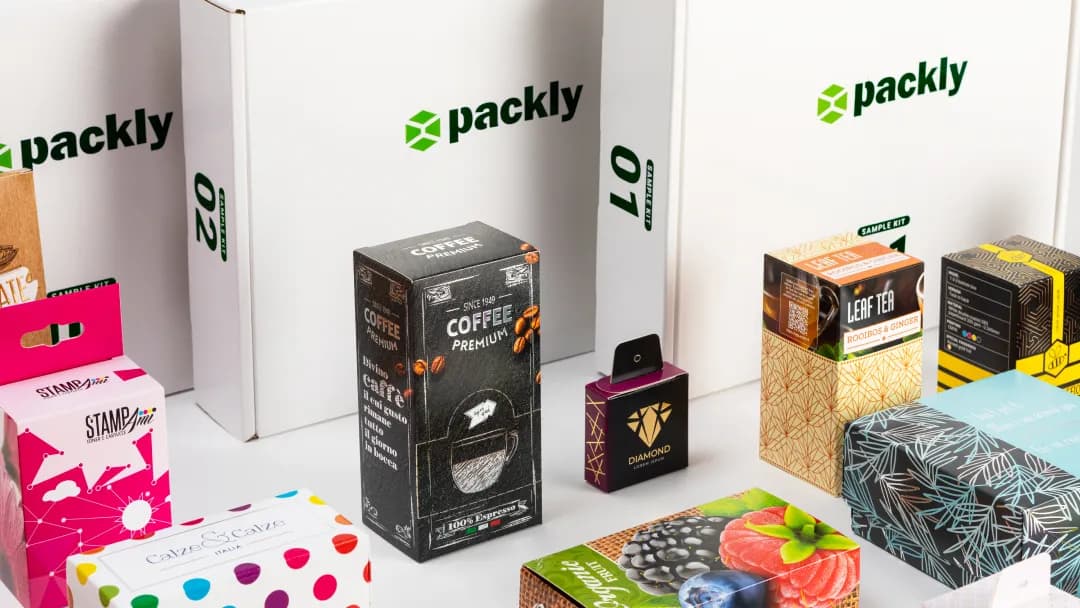
Want to experience the quality of our packaging before placing an order? Purchase a sample kit and explore our wide range of materials, finishes and models. Receive a selection of boxes crafted with Packly’s signature attention to detail: evaluate firsthand their strength, appearance and print quality.
Need help with your packaging project?
Our Customer Success team guides you step by step, turning your ideas into tailored, high-quality solutions. With our professional support, you can rely on continuous assistance: book a video call with our packaging experts for a dedicated consultation on your project or write to us in chat for an immediate reply.
Food packaging serves several essential functions. It protects the product from mechanical, chemical, and biological damage, ensuring its integrity and safety during transportation and storage. Additionally, it helps maintain the freshness and quality of food, preserving its flavor, aroma, and texture. Food packaging also facilitates handling and distribution, making it easier for consumers to purchase and use the product. Finally, well-designed food packaging can enhance the product’s visibility and appeal in the market, contributing to increased sales.
Food-grade cardboard must be made from materials free of toxic substances, resistant to moisture and external factors, provide a good barrier against light and oxygen, and comply with food safety regulations. Furthermore, it is often recyclable and biodegradable.
Cardboard food packaging offers numerous advantages, including environmental sustainability, lightweight properties, ease of storage and transportation, and good impact resistance. Additionally, cardboard can be customized with high-quality printing, making it an excellent choice for brands looking to create a strong visual impression.
Cardboard is particularly suitable for dry foods, snacks, biscuits, cereals, and other products that do not require a high barrier against moisture or oxygen.
Yes, cardboard is a naturally sustainable material:
Recyclable: cardboard can be recycled multiple times, reducing environmental impact.
Renewable: cardboard is made from wood fibers sourced from sustainably managed forests.
Waste Reduction: proper packaging protects the product and extends its shelf life, helping to reduce food waste.
The use of cardboard food packaging is regulated by various European and national laws. In Europe, Directive 2004/1935/EC establishes general requirements for materials and objects that come into contact with food. Ensuring compliance with these standards is crucial for guaranteeing safety and legality.
For an effective cardboard food packaging design, ensure it reflects the brand identity and attracts the target audience. The design should be eye-catching and distinctive. It is essential that legal and nutritional information is clear and easily visible, including the product name, ingredients, nutritional values, and any other mandatory details in a readable and accessible format. Additionally, if applicable, incorporate elements that communicate your commitment to sustainability.
To ensure that food packaging is suitable for its intended use, you can request a compliance certificate from the supplier for direct or indirect food contact. This document certifies that the packaging meets legal food safety requirements. However, it is important to note that the responsibility for verifying the technological and functional suitability of the packaging under real-use conditions falls on the customer. This means testing the packaging to ensure it performs adequately with the product under specific transportation, storage, and usage conditions. This step is essential to ensure that the packaging not only protects the product but also maintains its quality and safety throughout the supply chain until the final consumer uses it.