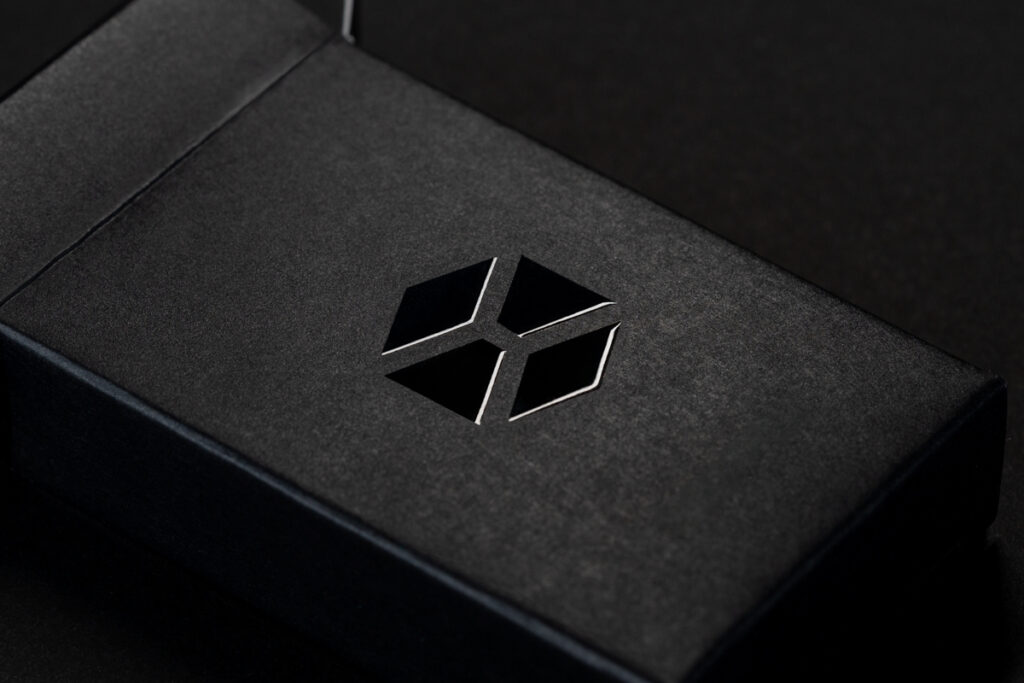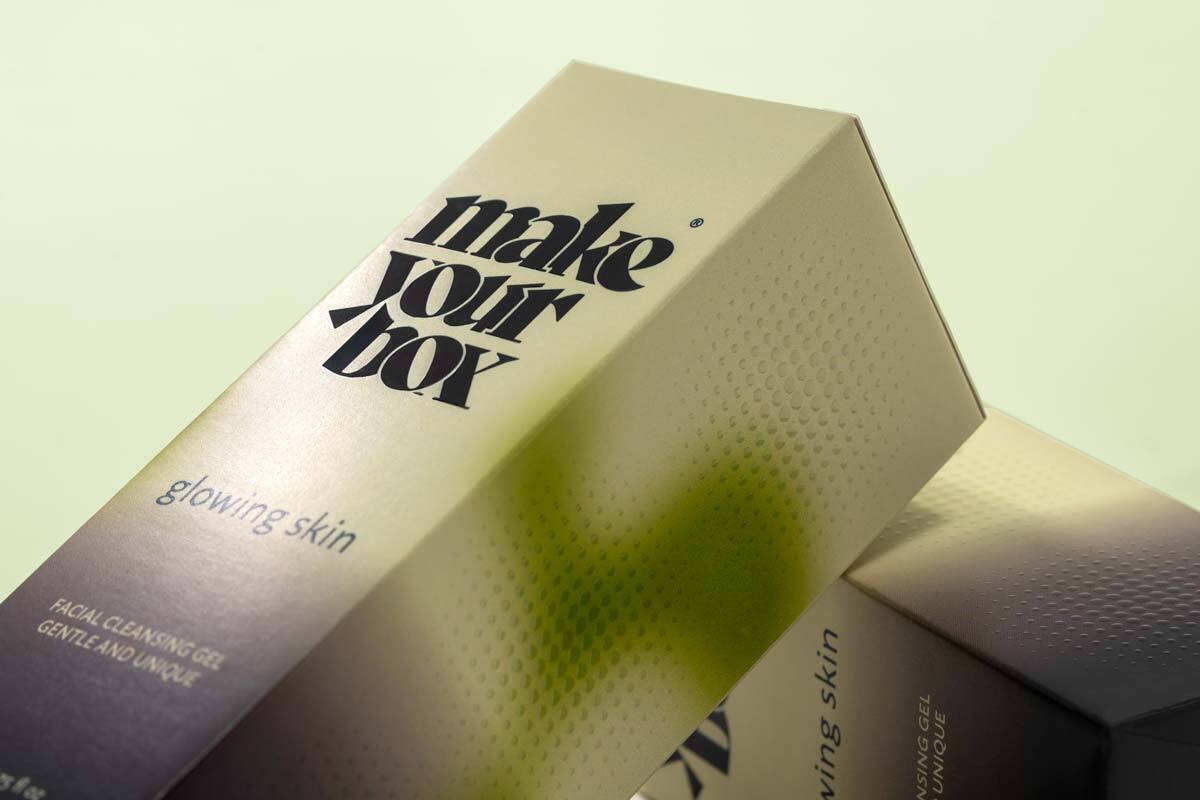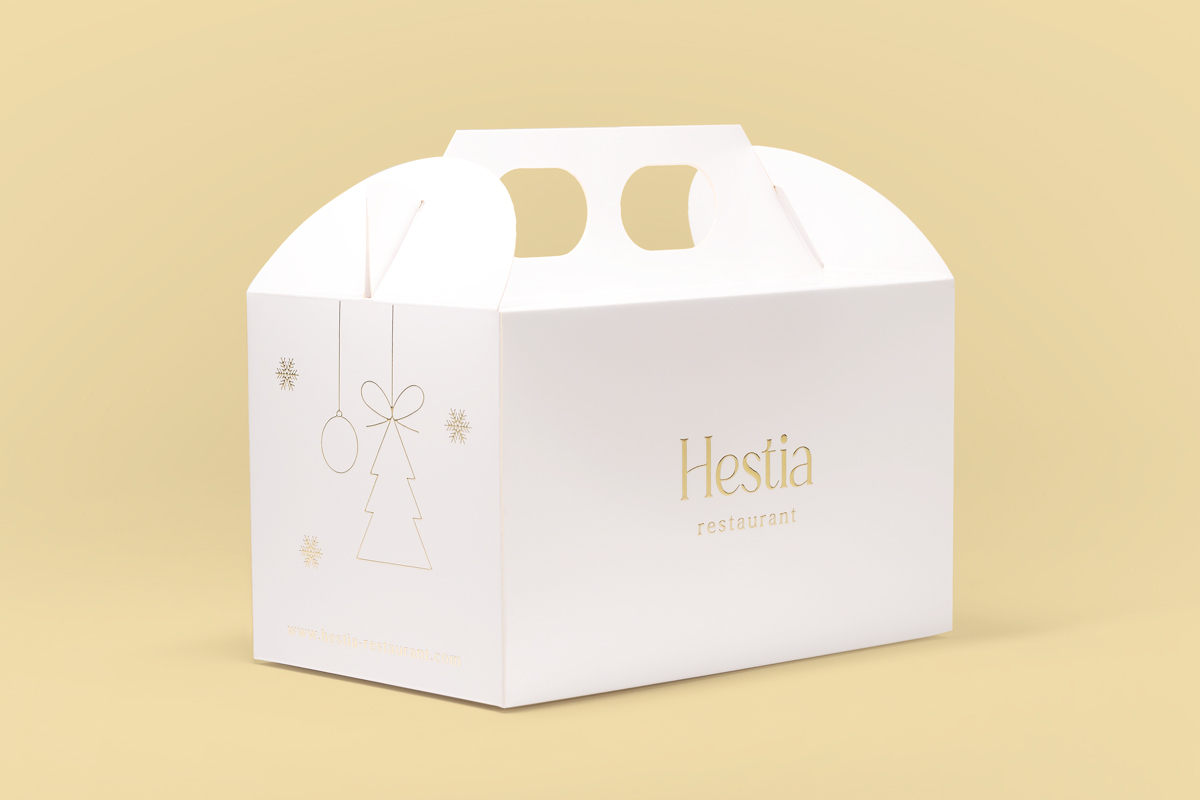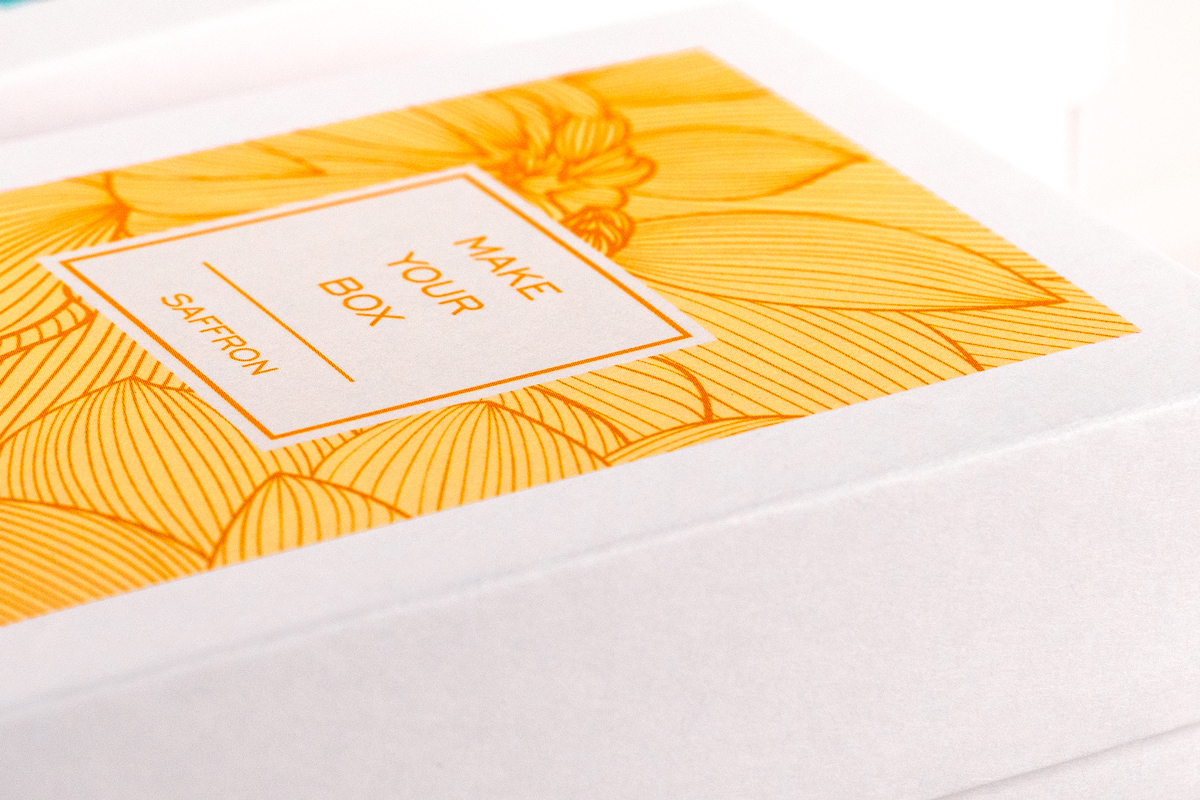
In the vocabulary of contemporary packaging, “natural white” isn’t a color statement; it’s a surface statement. Using this medium means choosing a positioning that distances the image from reflection and brings it closer to the material, choosing subtraction over emphasis, legibility over brilliance.
The issue is chromatic, yes, but also tactile, visual, and perceptive. It concerns how light passes through or encounters a surface, and the form with which a material communicates authenticity before it’s even opened.
The name indicates the nature of the substrate: a material that is not subject to patina, that retains its fibrous structure, and that accepts opacity as a value rather than a compromise. In a market dominated by optical quality, choosing natural means building a different narrative.
The design value of matt white
An uncoated material radically alters the relationship between light and form. Where a coated surface reflects, shines, and emphasizes, the uncoated absorbs, controls, and defines. The difference is primarily aesthetic, but it translates into a real strategy.
Optical white arises from layering: coatings, finishes, and treatments that amplify light reflection. The result is brilliant, uniform, and recognizable. Natural white, on the other hand, emerges from the structure of the material itself. It isn’t added; it’s revealed.
This distinction has several design implications. Visual perception becomes more sober; color contrasts are sharper because the media no longer competes with the graphic content. Readability improves because reflection is reduced, and with it, the glare that, in some contexts, compromises usability.
For a designer, choosing a non-coated matt surface means working on themessage cleaning. In other words, it means recognizing that packaging doesn’t always have to shout, but can also whisper with authority.
Materiality and perception of quality
In premium packaging, touch precedes experience. Before the content, there’s the container; before the sight, there’s contact.
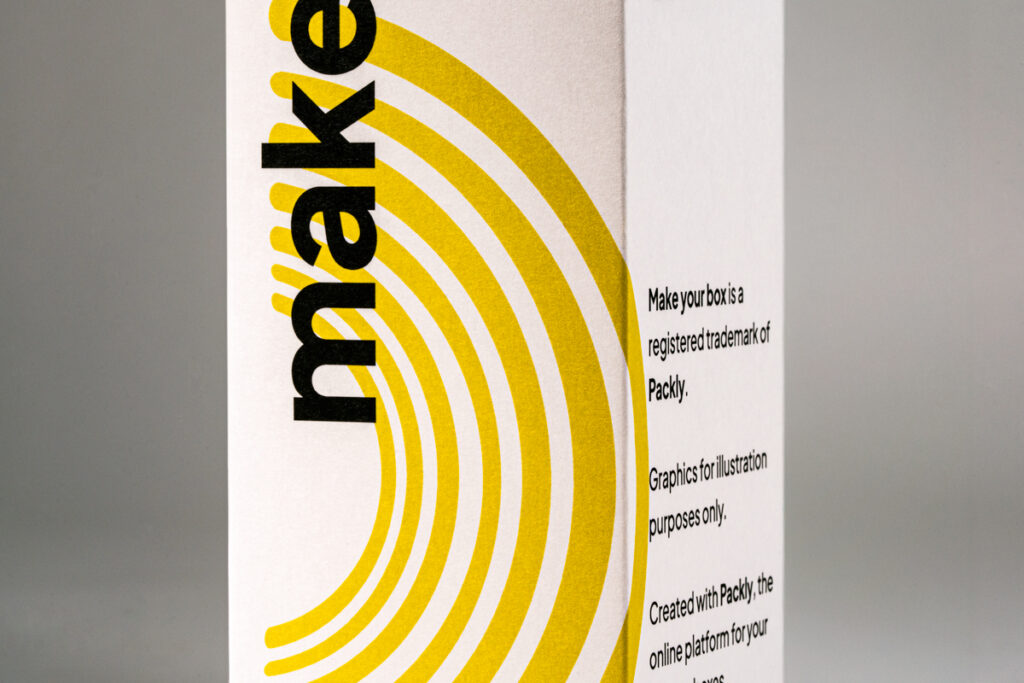
An uncoated material is immediately distinguishable to the touch. The surface has a texture that is neither rough nor perfectly smooth. It is this imperfect uniformity that communicates authenticity. Such a surface doesn’t attempt to hide its fibrous nature, but integrates it into its material identity.
This tactile characteristic is particularly relevant in sectors where packaging is an integral part of the user’s brand experience, such as cosmetics, perfumery, and artisanal chocolate. Here, the box isn’t just protection: it becomes the first physical contact with the brand. Furthermore, the perceived quality of that contact directly influences the perceived value of the contents.
The uncoated material transmits solidity. It clearly stands out from the apparent resistance to polishing, focusing on the structural strength of a support that maintains its consistency even in complex formats and withstands folds and joints without sagging. This mechanical reliability translates into perceived safety: the packaging communicates care, attention, and respect for the contents.
The moment a consumer picks up a package, the material tells a story. The natural, uncoated, matt white surface communicates consistency, essentiality, and check. The brand claims it doesn’t need overexposure to get noticed.
A consistent choice for conscious brands
The question is no longer “which material to choose for my packaging,” but “what narrative do I want to build with that material?” For brands that focus on authenticity, uncoated material becomes a natural—we dare say, inevitable—answer.
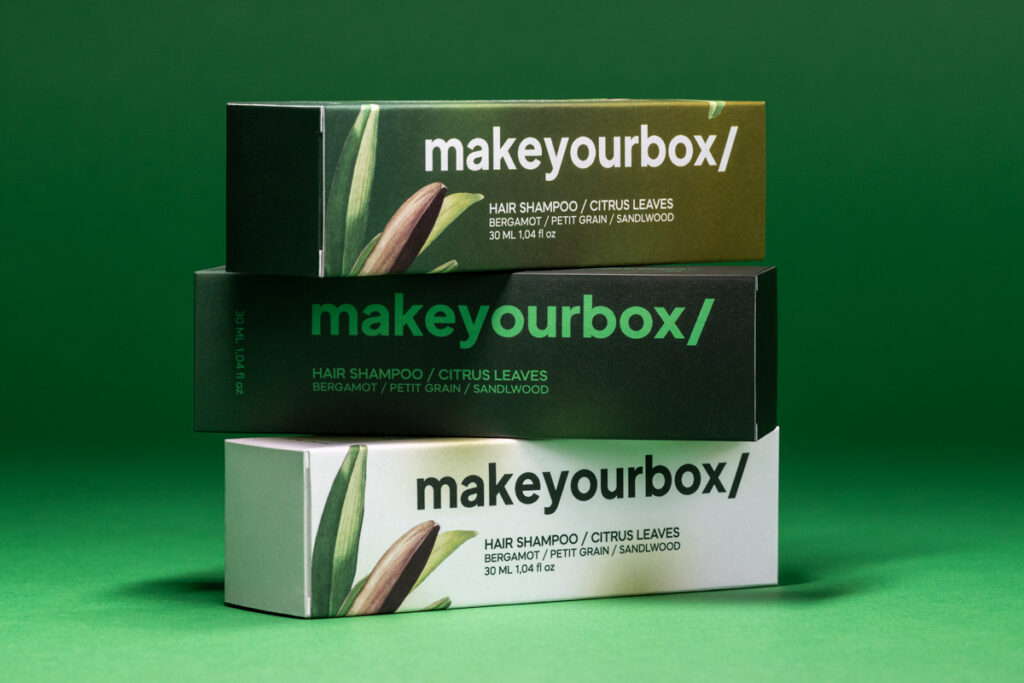
Let’s think about cosmetics. A brand that promotes naturalness, transparent formulations, and respect for the skin can’t afford packaging that screams artificiality. The matt surface reflects the product’s values, in perfect narrative coherence.
In advanced graphic packaging, where typography and imagery are designed with pinpoint precision, the uncoated surface offers greater control over the final result. Color is deposited without reflection distortion. Reading becomes more immediate, and as a result, the result is more faithful to the original design.
The question is no longer “which material to choose for my packaging,” but “what narrative do I want to build with that material?” For brands that focus on authenticity, uncoated material becomes a natural—we dare say, inevitable—answer.
Let’s think about cosmetics. A brand that promotes naturalness, transparent formulations, and respect for the skin can’t afford packaging that screams artificiality. The matt surface reflects the product’s values, in perfect narrative coherence.
In advanced graphic packaging, where typography and imagery are designed with pinpoint precision, the uncoated surface offers greater control over the final result. Color is deposited without reflection distortion. Reading becomes more immediate, and as a result, the result is more faithful to the original design.
In high-end products, where unboxing, as we keep repeating, becomes a ritual, the material is the protagonist. A natural surface amplifies the sensorial dimensions: the sound of the box closing, the resistance to creasing, and the texture to the touch. Each element contributes to creating a moment that the consumer will remember and associate with the brand’s value.
But be careful: we’re not saying you have to sacrifice visual impact. It’s about shifting the focus from reflection to texture, from brilliance to substance.
The sustainable aspect is an evolution of the range
Every material carries an environmental footprint. The choice isn’t between a sustainable element and one with a high environmental impact, but between different levels of responsibility.
The natural white cardboard is part of a broader path: expanding the range of materials that maintain constant recyclability and the use of renewable raw materials, as Packly’s manifesto has always stated. Natural white, of course, isn’t the only green material available. It’s an additional option within a catalog that makes sustainability a cross-cutting criterion rather than an exception.
This approach reflects a cultural shift in the industry. Sustainability is no longer a differentiating factor, but a basic requirement. The deciding factor is the aesthetic and functional quality with which that requirement is met.
A brand that chooses an uncoated material communicates attention to substance. It’s not necessarily an explicit environmental message, but a sensitivity to choices that combine aesthetics and responsibility. A company like this creates intelligent packaging: beautiful, functional, and consistent with contemporary values.
Expanding Packly’s material range to include uncoated natural surfaces is the answer to a concrete design question: how to offer designers versatile tools that allow them to express diverse identities without technical or environmental compromises.
From design to production
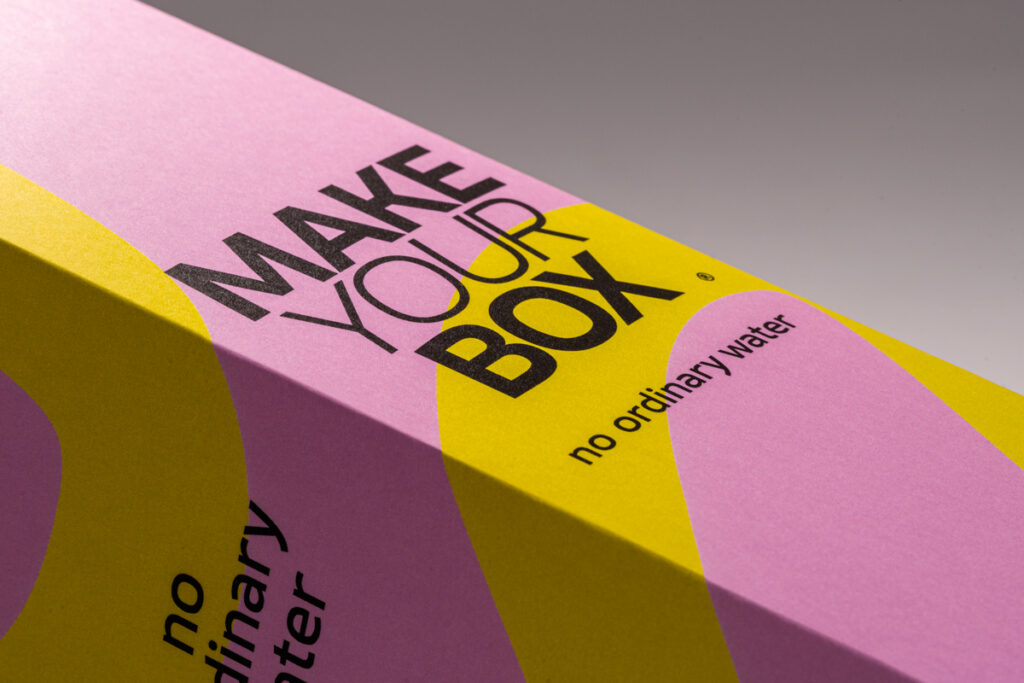
The gap between design vision and physical implementation has narrowed. Now, you can select a premium uncoated matt surface directly during box configuration on the platform. Designers can visualize, choose, and order without the need for iterative sampling or compromise.
At Packly, we wanted to make a material that traditionally required high volumes or complex production steps accessible to projects of any scale. This doesn’t mean trivializing the choice, but democratizing it.
The ability to integrate uncoated natural materials into digital purchasing processes shifts the focus from sourcing to design. Thanks to Packly, you don’t have to waste time searching for the right supplier, but can invest in defining the best balance between form, function, and material.
Conclusion
In contemporary packaging, the surface is not a detail but an element of language, a narrative tool, a positioning choice.
Uncoated material, in premium packaging, answers specific design questions: how to communicate authenticity, ensure readability, and create a memorable tactile experience.
The right supplier exists, the choice is vast, and the right material is available. The Packly team is at your disposal throughout all design phases, from prototyping to final ordering. Now all you have to do is think about the project; start now.