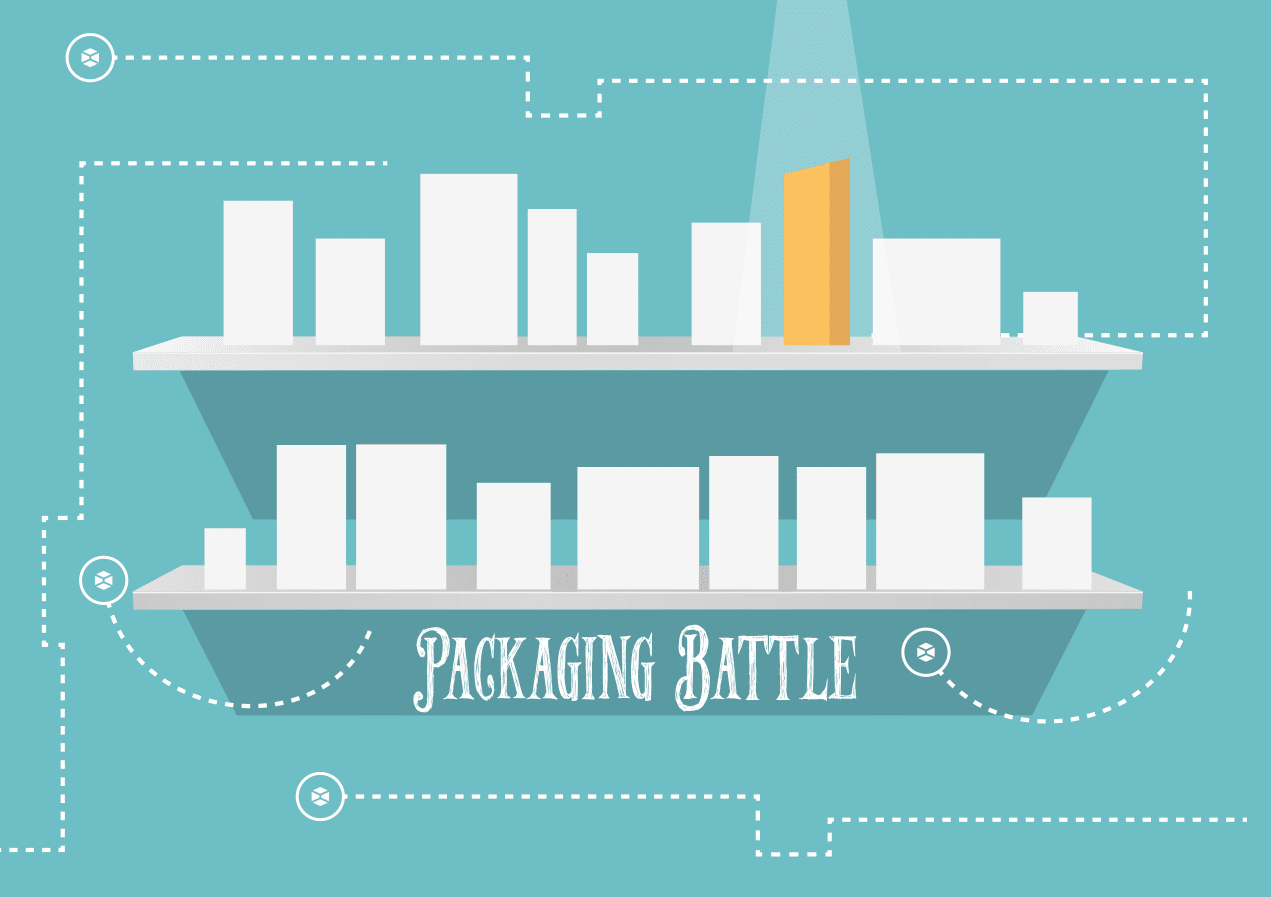
Product packaging displayed on store shelves is in intense competition to attract consumers’ attention. If you manage to spark interest in just a few moments, you can truly make a difference in terms of sales: consumers spend only 15 seconds looking at items on a shelf (Source: Nielsen). You have very little time to convince them to buy!
But how can you capture the attention of potential customers and design packaging that beats the competition? Try applying the following tips:
1. Make an impact at first glance
If you really want to stand out, you need to use an unusual combination of shape, design, and colors that differentiates your product and makes it stand out from the crowd. Use uncommon shapes or distinctive colors, and analyze competing products on the shelf to find the best combination.
If your graphic design includes images of people or fictional characters, consider the findings of a study by Cornell University in New York. The research showed that depicting people or characters making eye contact with the customer increases engagement, creates an emotional connection with the brand, and enhances brand credibility.
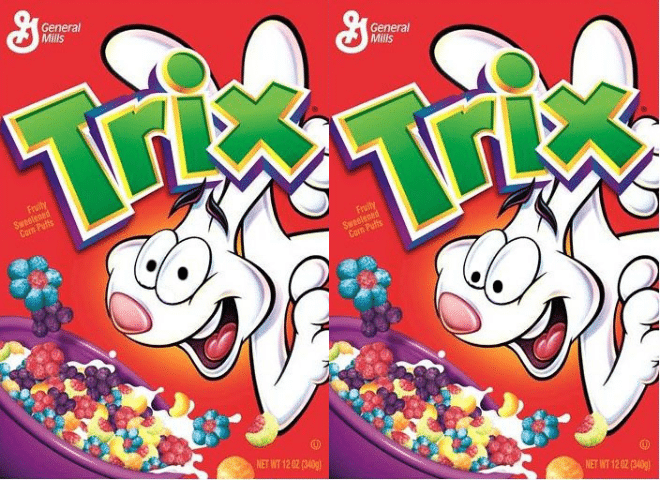
The test compared two versions of a cereal box that differed in just one detail: in version A, the rabbit looks directly into the viewer’s eyes, while in version B it looks downward.
A character that establishes eye contact with the consumer (adult or child, depending on the target audience) can act as a powerful sales tool, influencing purchase decisions and fostering brand loyalty.
2. Highlight the product’s strengths
Identify the product’s real strengths, its added value compared to competitors, and the reasons why someone should choose it. If you effectively communicate these unique aspects through your packaging, you will motivate potential customers to place the box in their cart.
3. Create functional packaging
Many people pay close attention to the role packaging plays in relation to the product. If you design a box that enhances specific aspects such as dosing, preservation, consumption, or extended use, highlight it on the packaging.
(For example, a “open-and-close” box that can be reused multiple times depending on product usage.)
4. Use a readable font
Choose a highly legible typeface to facilitate reading and maintain a good balance between text and images. Textual communication should be concise: have you ever seen packaging from well-known brands with excessively long text?
5. Show the product
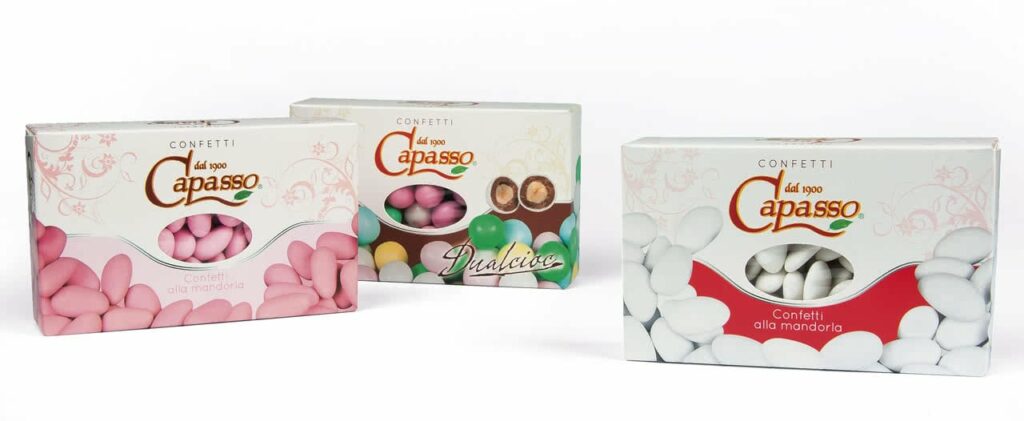
If your product has an appealing appearance that can visually attract consumers, consider adding a window: sample to display the contents of the box (for example, packaging for artisanal pasta, cookies, etc.).
6. Engage all the senses
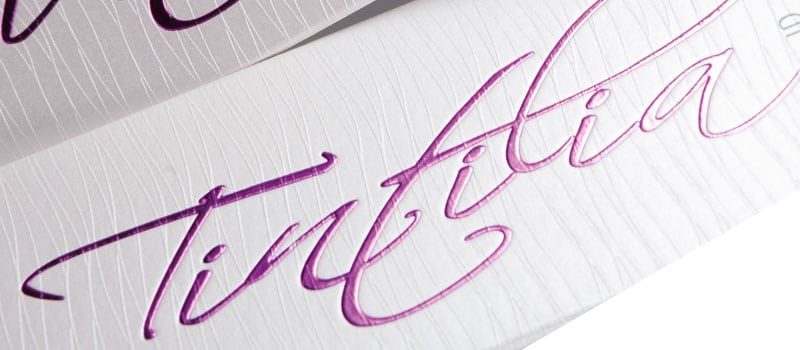
Did you know that scented papers exist, which release intense fragrances when rubbed? And that there are papers with unique tactile effects? For example: soft-touch, glossy, rough, matte, drip-off (a mix of glossy and matte), embossing, Hot foil, etc.
These types of finishes and processes surprise and engage consumers, increasing attention toward your packaging and enhancing perceived value compared to competitors.
7. Reassure the customer
Include all the information needed to reassure customers about product quality, especially if you are working with a new or lesser-known brand. Does your company have certifications or awards? Are there university lab analyses confirming specific beneficial product features? Is the product allergen-free or suitable for specific diets (e.g. gluten-free or Kosher)? If the answer is yes, highlight these details: this will help demonstrate the quality and value of the product to the customer.
8. Show your “green” side
Environmental sustainability is increasingly important. If your packaging or product has eco-friendly features, highlight them on the box. For example, indicate environmental certifications such as FSC™ or PEFC™, the use of renewable or alternative energy in production, or the use of recycled materials.
In conclusion…
The box is often the first communication tool that influences consumer choice. Packaging is seen before the product can be viewed or touched.
Can we say that, in this case, “the clothes make the man”?