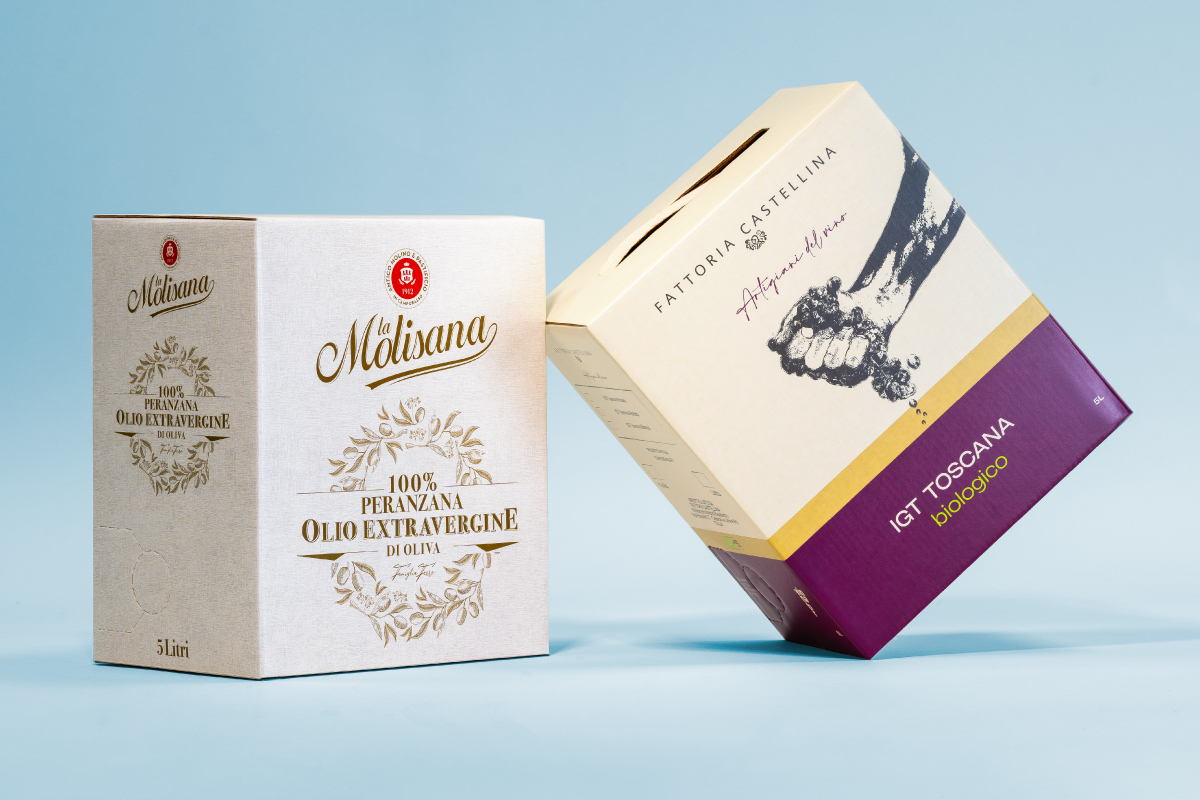
The food packaging sector is undergoing profound evolution, driven by the search for more functional, sustainable, and efficient solutions. Among innovations attracting the most significant interest among food and beverage companies, the Bag-in-Box offers a concrete solution for the preservation, transport, and convenience of liquid products.
What is a Bag-in-Box?
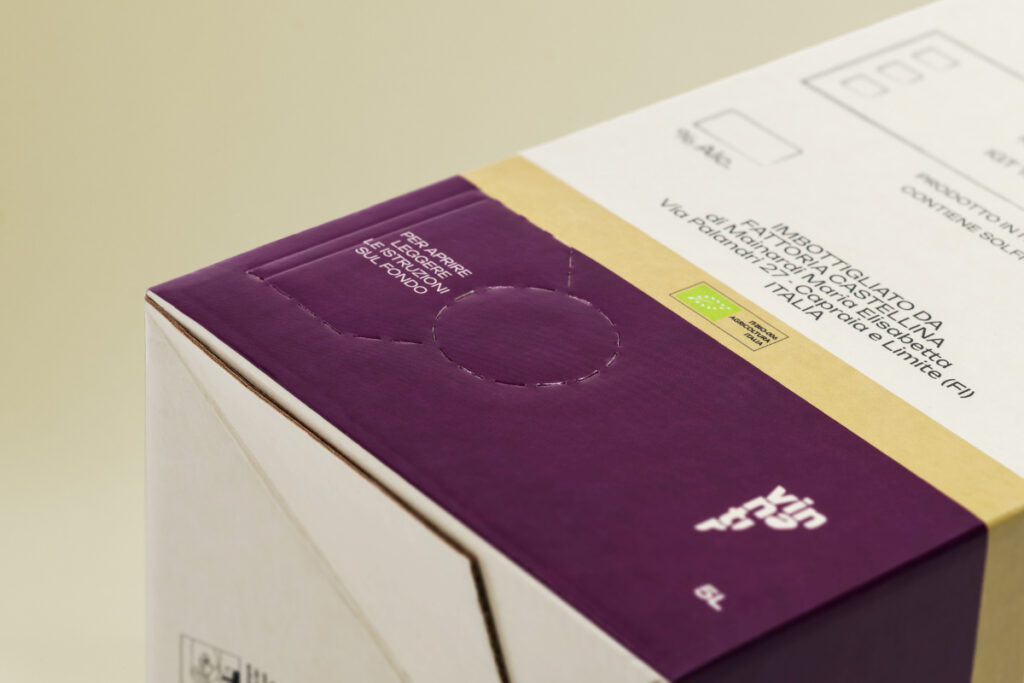
The Bag-in-Box is a packaging system that combines an external container made of corrugated cardboard with a flexible inner bag, usually made of multilayer plastic. This double envelope protects the product from oxygen and light, ensuring optimal preservation.
The operation is simple yet effective: the internal bag contains the liquid and is equipped with a dispenser tap that prevents air from entering while dispensing. The external carton provides the supporting structure, facilitates storage, and offers an ideal space for brand communication.
How the Bag-in-Box system works
The Bag-in-Box mechanism is based on a layered protection principle. The perfectly sealed inner bag keeps the liquid isolated from the outside environment. When the user taps, the product flows out while the bag gradually compresses, preventing air from entering and oxidizing the contents.
This technical feature offers a significant advantage over other packaging systems: once opened, the package can preserve the product’s organoleptic properties for several weeks, depending on the type of food or beverage.
Which products use Bag-in-Box?
The use of Bag-in-Box has spread across various areas of the food sector, demonstrating remarkable versatility.
Wine
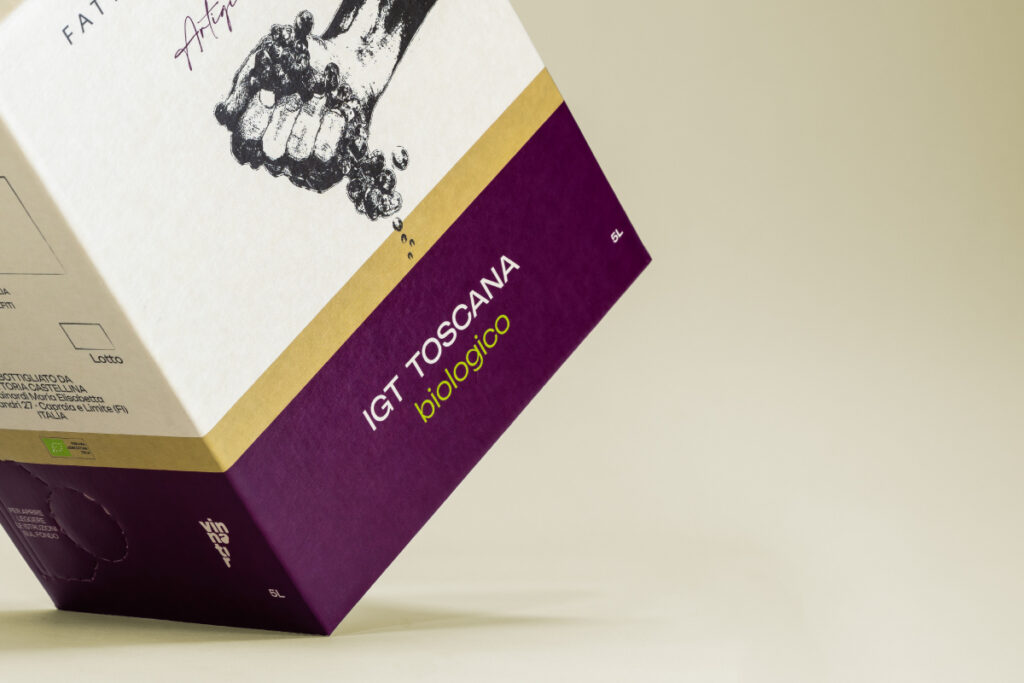
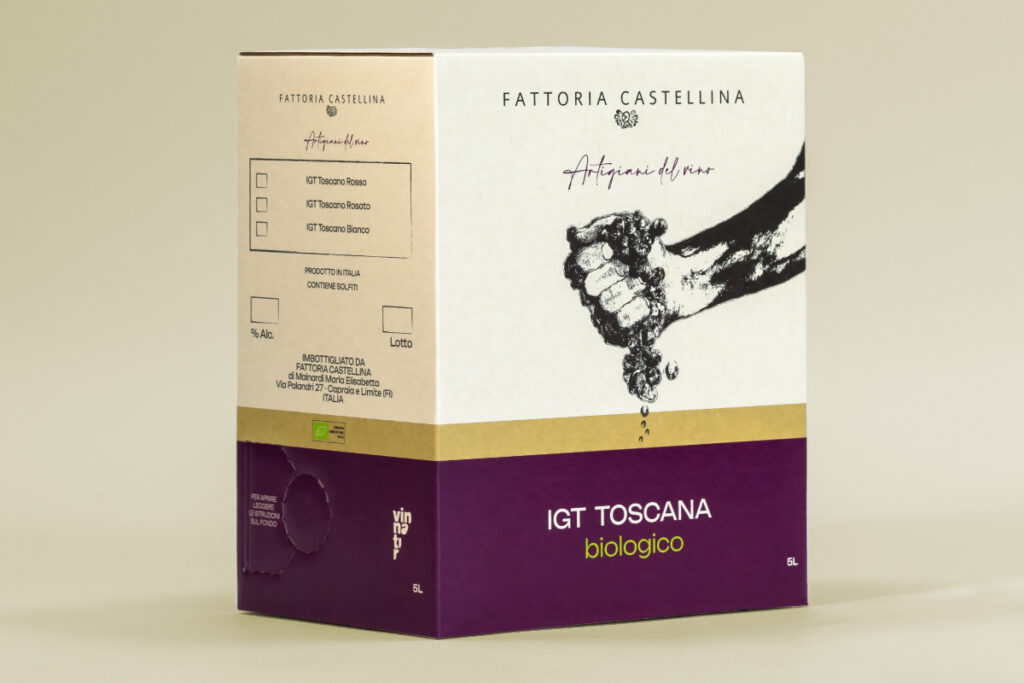
The wine sector was among the first to adopt this system, initially for table wines and subsequently also for mid-range products. The Bag-in-Box for wine offers significant logistical advantages and allows the product to remain fresh after opening, a feature particularly appreciated in the Horeca and restaurant sectors.
Oil
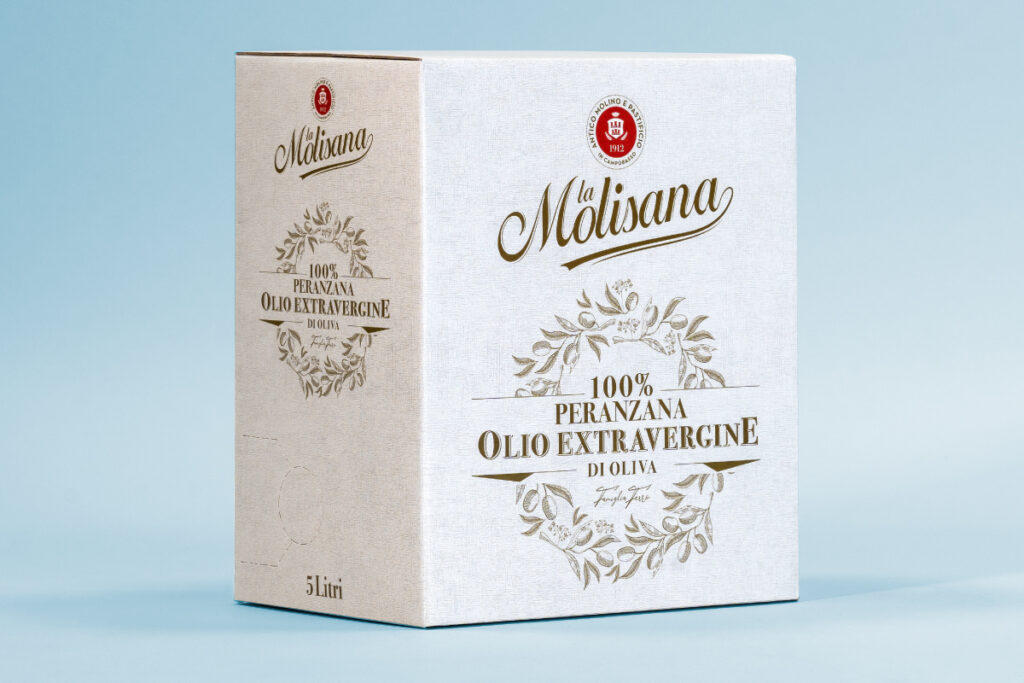
Extra virgin olive oil is among the products that benefit most from this type of packaging. Oxidation is a significant threat to oil quality: exposure to air and light rapidly degrades its organoleptic and nutritional properties. The Bag-in-Box system solves this problem by protecting the product from oxygen after opening, preserving its aroma, flavor, and polyphenol content for a much longer period than traditional bottles.
Juices and drinks
Fruit juices, concentrates, plant-based drinks, and other liquid foods represent a rapidly growing segment for this type of packaging. The ability to preserve the product for an extended period after opening reduces waste and improves the user experience, elements particularly relevant for both home consumers and professionals.
The main advantages of the Bag-in-Box
Concrete benefits across multiple aspects of the supply chain are driving the growing adoption of this packaging solution among food companies.
Product storage
Oxidation protection is the most significant advantage. By keeping the liquid isolated from air even after opening, the Bag-in-Box significantly extends the product’s shelf life once the consumer begins using it. This translates into higher perceived quality and reduced food waste.
Sustainability
From an environmental perspective, the Bag-in-Box offers attractive features. The outer cardboard is easily recyclable and often comes from sustainably managed sources. The overall weight of the packaging is also lower than that of glass alternatives, reducing transportation-related emissions. Greater logistical efficiency enables optimized space utilization during distribution, reducing the number of trips.necessaryA 10-litre Bag-in-Box container measures just 19cm x 19cm x 32cm and is equivalent to over 13 0.75-litre bottles. Furthermore, gLife cycle studies have shown that Bag-in-Box has up to 8 times lower CO₂ emissions than glass bottles.
Logistical convenience
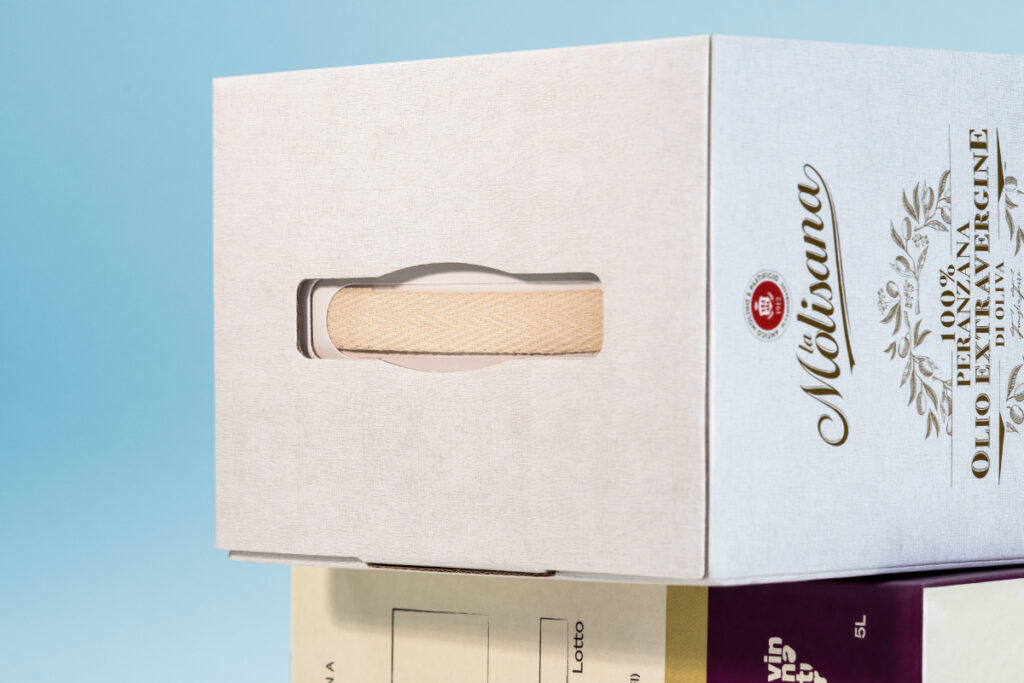
Companies that adopt this system benefit from significant operational advantages. The packages are lighter and take up less space than bottles, making them easier to store and handle. The risk of breakage is virtually eliminated, reducing product loss during transportation. For end consumers, ease of dosing and practicality are key differentiators.
Bag-in-Box vs. traditional bottle
The comparison with bottled packaging highlights substantial differences that each company must evaluate based on its specific needs.
Bottles, especially glass bottles, maintain a strong aesthetic and communication appeal, which is particularly important for premium products or those with a strong brand identity. However, Bag-in-Box offers superior performance in shelf life after opening, ease of use, and logistics sustainability.
From a cost perspective, Bag-in-Box is generally more economical, both in materials and in transportation and storage costs. This financial advantage can be crucial for products intended for frequent consumption or for the professional channel.
When is it best to choose the Bag-in-Box?
The choice of this packaging system depends on various factors related to the product, the target market, and the company’s objectives.
Companies producing food-grade liquids sensitive to oxidation find Bag-in-Box an effective technical solution for preserving quality. Brands focused on sustainability can communicate a concrete commitment to reducing environmental impact. For those serving the Horeca or mass catering sectors, the advantages in terms of convenience and preservation represent immediate value.
Companies looking to optimize logistics costs and reduce product waste can also find this format an effective solution. The Bag-in-Box also supports product portfolio diversification, enabling traditional formats to be combined with more innovative solutions.
The Bag-in-Box as a modern packaging solution
The evolution of the food sector requires packaging solutions that combine functionality, sustainability, and effective brand communication. The Bag-in-Box addresses these needs with a versatile, technologically advanced system adaptable to diverse use cases.
For companies considering this solution, it’s essential to consider not only the technical aspects but also the customization and branding opportunities. The outer cardboard surface offers a wide range of visual communication options, allowing you to maintain a strong brand identity even with an innovative format. Purchasing behavior studies conducted by Ipsos highlight how packaging with a large communication surface and a clear visual hierarchy can increase brand recognition by up to 30% and improve product understanding by over 60%, making design a strategic element even in alternative formats such as Bag-in-Box.
Designing the Bag-in-Box with Packly
Creating a customized Bag-in-Box requires specific technical skills and appropriate design tools. Packly is a digital platform that simplifies this process, offering food companies an intuitive environment to develop packaging in collaboration with our specialized team.
The platform allows you to independently manage customizations, from uploading graphic files to defining finishes, without intermediaries. This operating method enables continuous project control and greater flexibility during the development and revision phases.
To learn more about the customized Bag-in-Box solutions for food packaging, visit Packly’s dedicated page, where you’ll find the various options available for the food & beverage sector.
Are you ready to launch your new Bag-in-Box product? The Packly team is available for personalized consulting, from limited runs to large-scale production, with competitive, up-to-date lead times and pricing.