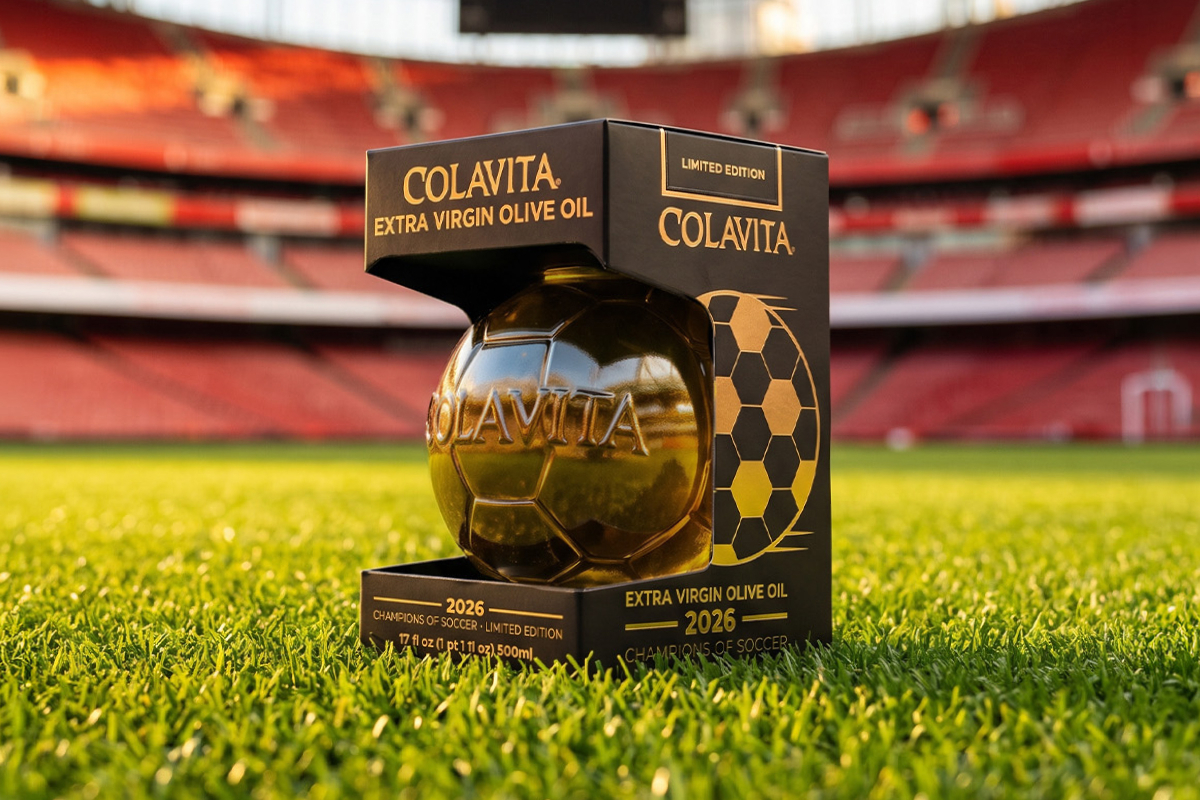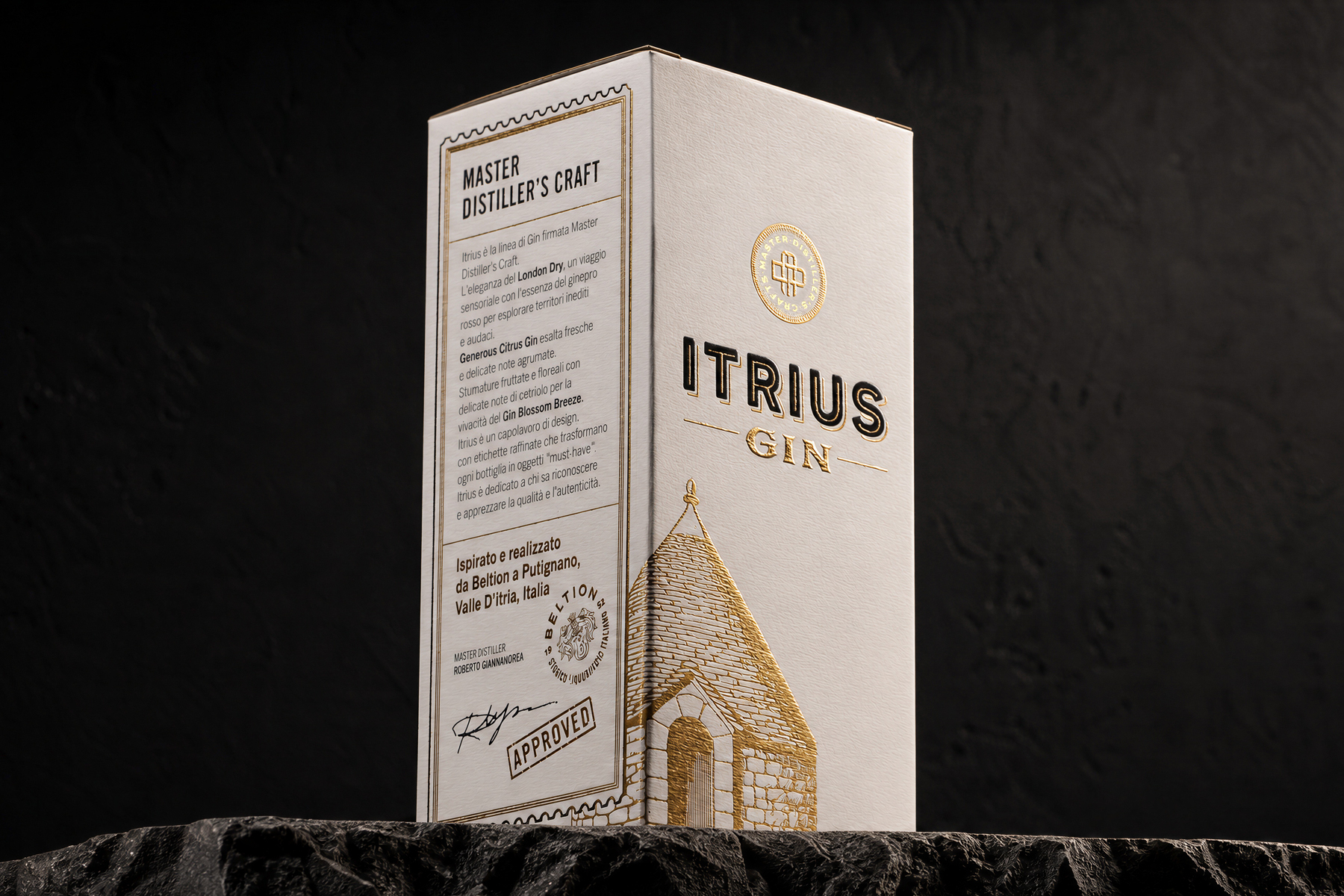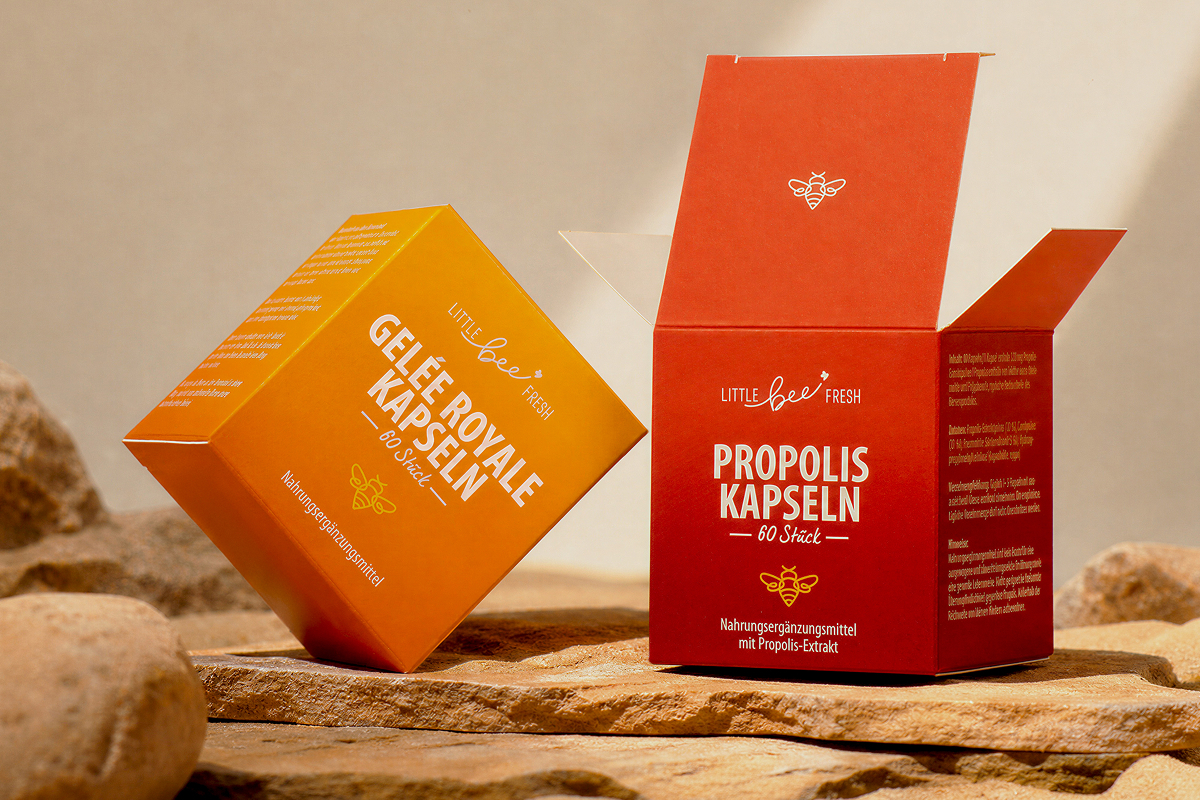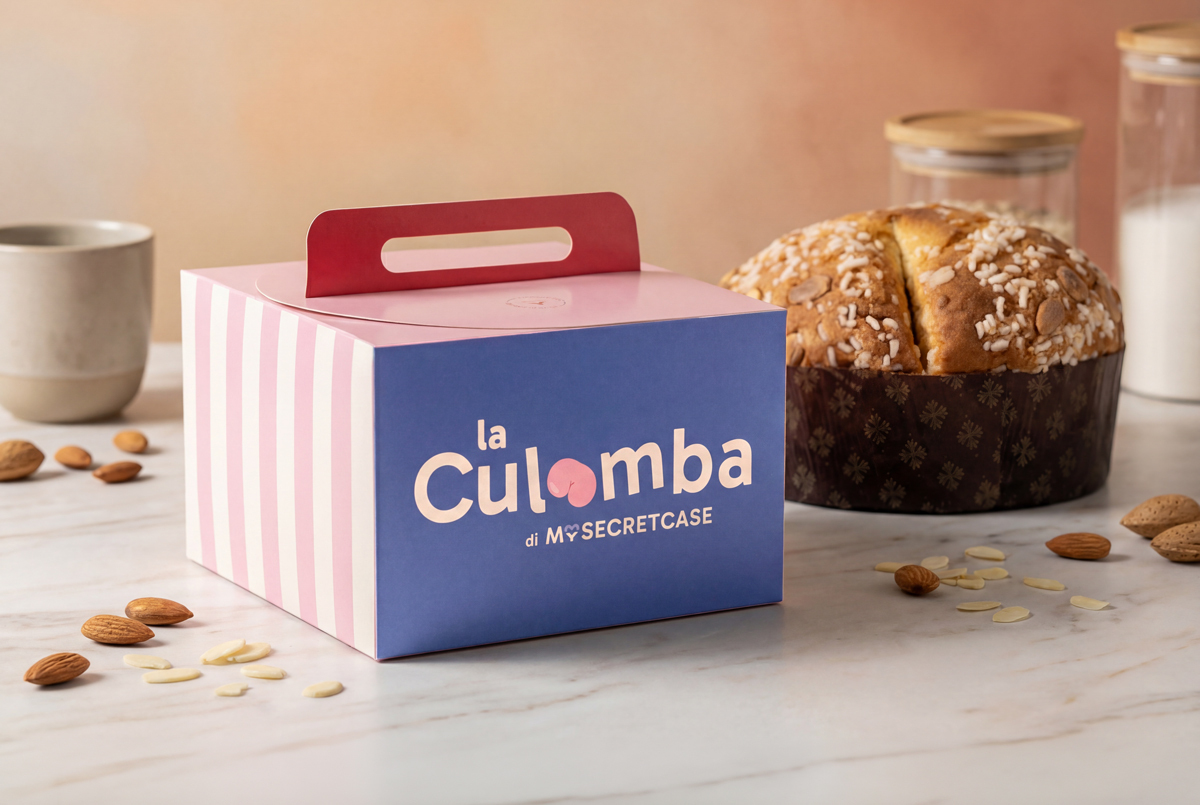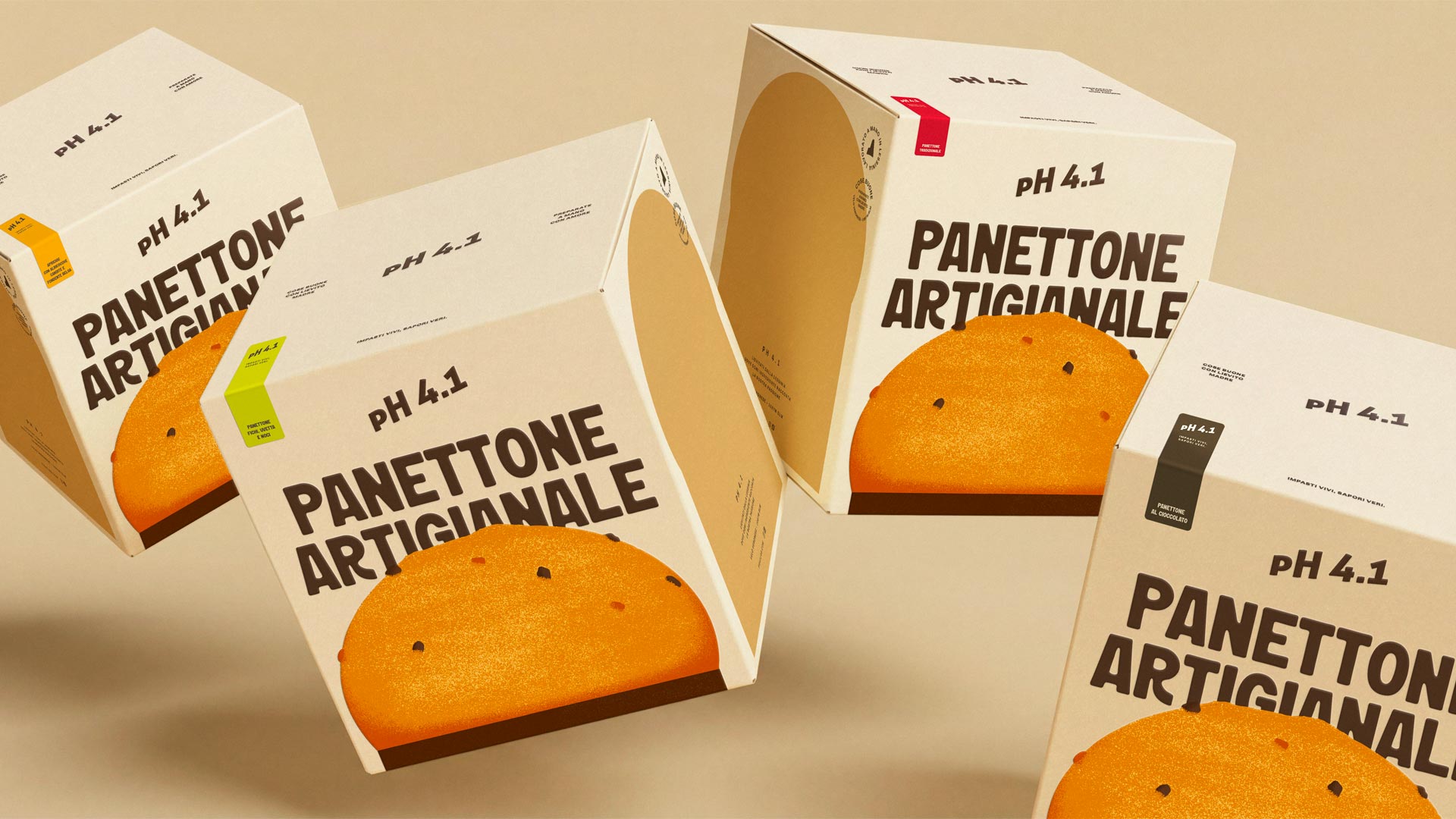
In the heart of Lessinia Regional Park, in Velo Veronese, a project was born that combines artisanal research, visual identity, and attention to detail. PH 4.1 Lab, a laboratory specializing in naturally leavened products, developed a Christmas packaging project together with Packly that goes beyond simple packaging: a visual and tactile narrative that anticipates the taste experience.
We met with Gregorio from PH 4.1 Lab and Andrea Rubele, illustrator and designer of the project, to understand how this case study of collaboration between product craftsmanship and packaging design precision came to life.
PH 4.1 Lab’s vision of artisanal panettone
Can you tell us about PH 4.1 Lab’s philosophy and how the idea for this artisanal panettone project came about? What makes your approach unique compared to traditional production?
PH 4.1 was founded in Velo Veronese, in the heart of the Lessinia Regional Park, with the idea of bringing bread and leavened products back to a deeply artisanal dimension.
The name of the lab refers to the most suitable pH for a naturally fermented dough made with sourdough starter.
Artisan panettone perfectly represents this philosophy: long production times, carefully selected raw materials and processes that are replicable but never industrial. It is not a seasonal product for quick consumption, but a research project focused on flavour and digestibility.
Our approach differs from traditional production because every stage is measured and calibrated — hydration, acidity, maturation — to create a product that is stable yet alive, where technique and manual sensitivity coexist. PH 4.1 is a lab before it is a bakery.
Why packaging is an integral part of the product
For PH 4.1 Lab, is packaging just a container, or does it represent something more? How does the packaging align with your overall vision for the artisanal product?
For PH 4.1, packaging is more than just a container: it is the customer’s first experience with the product.
Anyone entering the lab encounters our panettone through the box even before tasting it. That is why the packaging is part of the artisan project just as much as the recipe. It communicates method, care and craftsmanship.
In an artisan bakery, packaging becomes an extension of the counter: it conveys quality even before the product is opened and allows the brand to leave the shop, carrying our values and message with it.
The box project: design, identity and storytelling
How did you develop the concept for the panettone box? Which design elements and brand values did you want to communicate through the Christmas packaging?
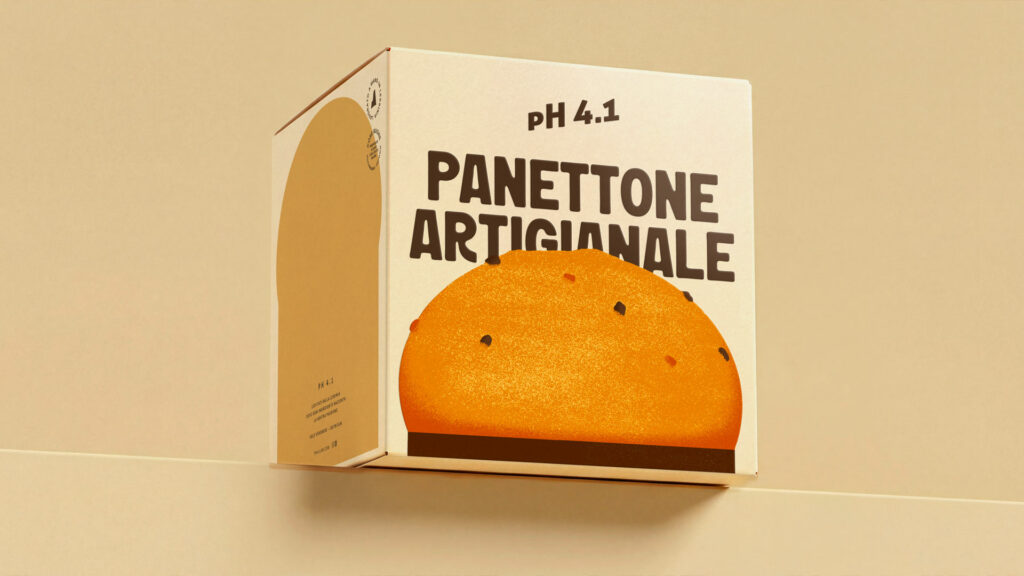
The concept for the box came from the need to clearly highlight two main aspects: craftsmanship and our roots in the Lessini Mountains.
We worked on an essential, precise graphic language, removing all unnecessary embellishments and focusing on communicating the product.
The packaging has 3 main elements:
- prominent typography that immediately conveys the type of product
- a custom illustration that visually represents the product the customer will find inside the pack
- a series of callouts referring to our roots and our working method, enriching the storytelling of the box
The pack therefore becomes, in every respect, a visual and textual narrative of what we do every day.
What were the main requirements – both technical and creative – that the packaging had to meet? Were there any particular challenges related to the product’s characteristics or preservation?
The packaging had to meet three main needs:
- Product protection: artisan panettone is delicate, rich in butter and air: we needed a rigid structure that would prevent compression during transport.
- Storage and transport: in our lab, product storage space is limited, so we needed an essential box that would make warehouse management, shipping and product transport easier.
- Aesthetic consistency: the challenge was to find the right tool that would allow us to meet both our production and communication needs.
Collaboration with Packly: requirements, process, and results
Why did you choose Packly to translate this project into reality? Which aspects of the platform or service were decisive in your decision?
We chose Packly because it allows you to design custom packaging with real, not simulated, design precision.
For a designer, it is essential to be able to control:
- millimetric dimensions
- fast prototyping
- actual print results
The platform makes it possible to move quickly from the idea to physical validation, which is essential when working with food products that have precise dimensional requirements.
Another fundamental aspect was the Customer Care service, which proved to be extremely knowledgeable, kind and responsive to all our requests.
How did the collaboration with Packly develop during the project? Can you describe the process from initial design through final production of the customized box?
Packly supported us throughout the entire development and production phase of the boxes.
We started by identifying the most suitable dieline for the product and, already at this stage, thanks to Customer Care, we were able to discuss materials, costs and print file preparation.
Once the structure had been defined and the artwork set up, we produced a sample to verify that the dimensions were suitable for the panettone.
After that, still supported by the team, we moved on to the final print run.
The workflow was clear and smooth. In addition, the fast production times allowed us to carry out several iterations without compromising the Christmas delivery deadlines, which are particularly strict for an artisan bakery.
What materials and technical solutions did you choose for the packaging? How did you balance aesthetics, functionality, and sustainability in the final choice?
The aim of the project was to find a balance between functionality, perceived product quality and economic sustainability.
When working with small and medium-sized artisan businesses, investment in materials is never something to be taken for granted: that is why we made a rational choice, identifying the most suitable substrate for the project requirements without forcing unnecessary solutions.
We opted for 400 gsm SBS paperboard, a widely used material but a very interesting one in terms of colour rendering in print. Precisely to enhance its qualities, we decided not to add any further finishes: adding embellishments to such an essential concept would have been like adding an unnecessary ingredient to PH 4.1’s panettone, in contrast with its clean, artisanal nature.
What kind of experience did you mean to create for those who receive or purchase your panettone? How does the packaging contribute to this experience from the unboxing onwards?
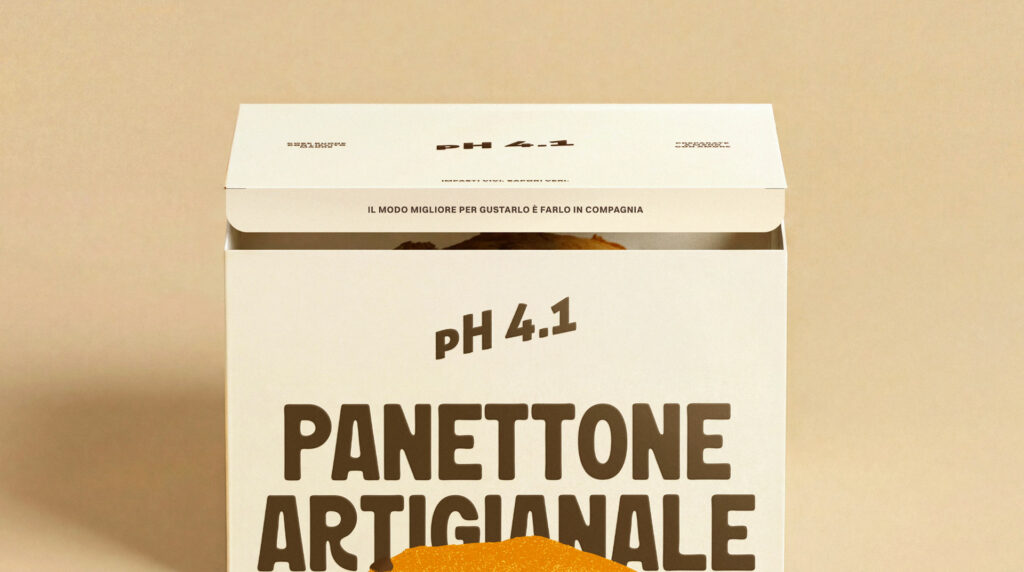
We wanted the experience to begin even before opening, turning into a moment of sharing and storytelling.
The customer should immediately perceive that they are holding a product with a story to tell: we built this visually through the illustration and copy on the box.
The pack opens with a simple gesture and, inside, a final message — ‘the best way to enjoy it is in good company’ — completes the moment.
The packaging slows down consumption, invites connection and turns the purchase into an experience.
Customer feedback and brand impact
What was the customer feedback on the packaging project? How has it influenced perceptions of the PH 4.1 Lab brand and product positioning?
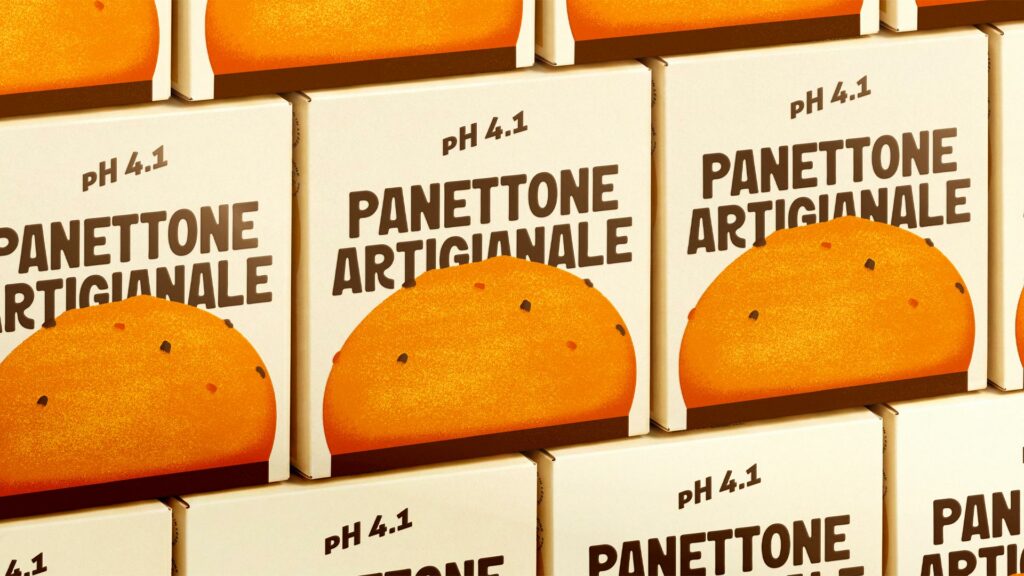
The packaging helped build the perception of the product as a high-quality artisan dessert.
Customers immediately recognised the difference compared to traditional artisan panettone: less of a decorative gift and more of an object to discover.
This strengthened PH 4.1’s positioning as a high-quality artisan lab in the Verona area and beyond.
Based on your experience with this project, what advice would you give to other artisanal producers who want to invest in professional and personalized packaging for their products?
Packaging reaches the customer even before the first taste: to communicate consistently, the packaging must be cared for just as much as the recipe.
Custom packaging is not only a sales tool; it makes a business memorable, enhances the product and clarifies the message you want to convey to your audience.
Our most sincere advice is to equip yourself with a tool capable of telling the story of what you do: not just a box, but an extension of your identity.
When the container is able to explain the method, values and quality of the artisan work on its own, the customer understands the product even before tasting it — and will be more likely to remember it, share it and choose it again.
Conclusion
The Packly x PH 4.1 Lab project demonstrates how packaging can become a strategic element for artisanal businesses in the bakery sector. Not just protection and functionality, but narrative, identity, and experience: elements that transform packaging into a true brand communication tool.
If you’re looking for professional solutions for your artisanal panettone, discover Packly’s range of customizable panettone boxes.